
Make the recipe
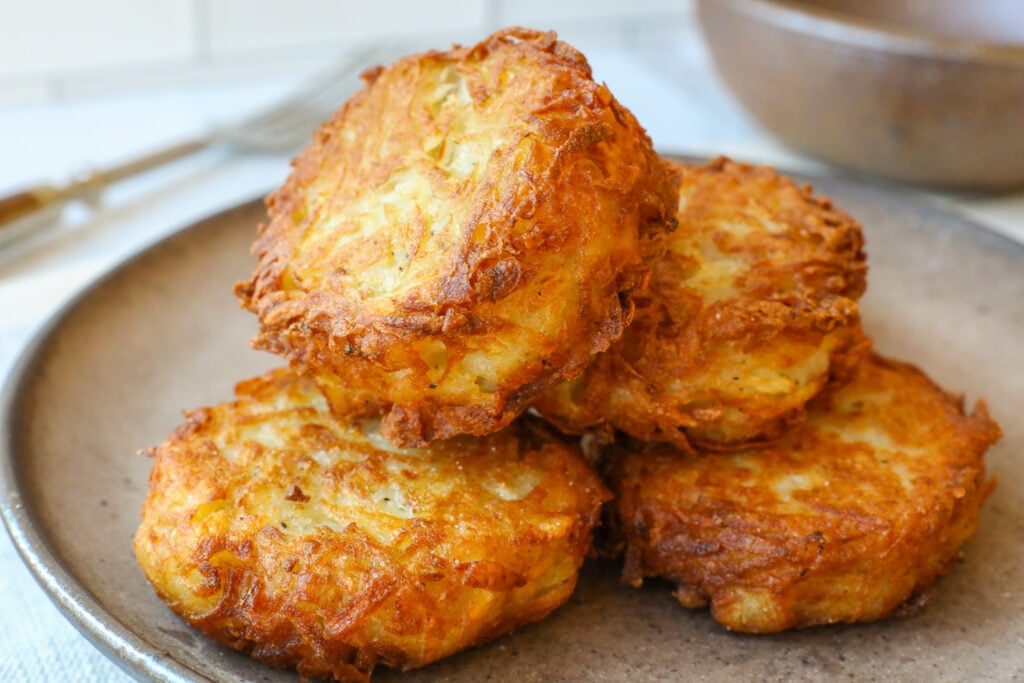
The secret to restaurant-quality hash browns isn't a complex blend of spices; it is moisture control and heat management. Russet potatoes are the standard because their high starch content creates a structure that crisps up rather than steaming into mush. The following recipe replicates the diner-style crispness by washing away excess surface starch and drying the shreds thoroughly before they hit the pan.
Start by peeling and shredding 2 large russet potatoes using a box grater or food processor. Place the shreds in a bowl of cold water and swish them around with your hand. This step removes the loose starch that causes sticking and gumminess. Drain the water, then squeeze the potato shreds in a clean kitchen towel or cheesecloth until they are as dry as possible. This dryness is the single most important factor for achieving that golden, crackling crust.
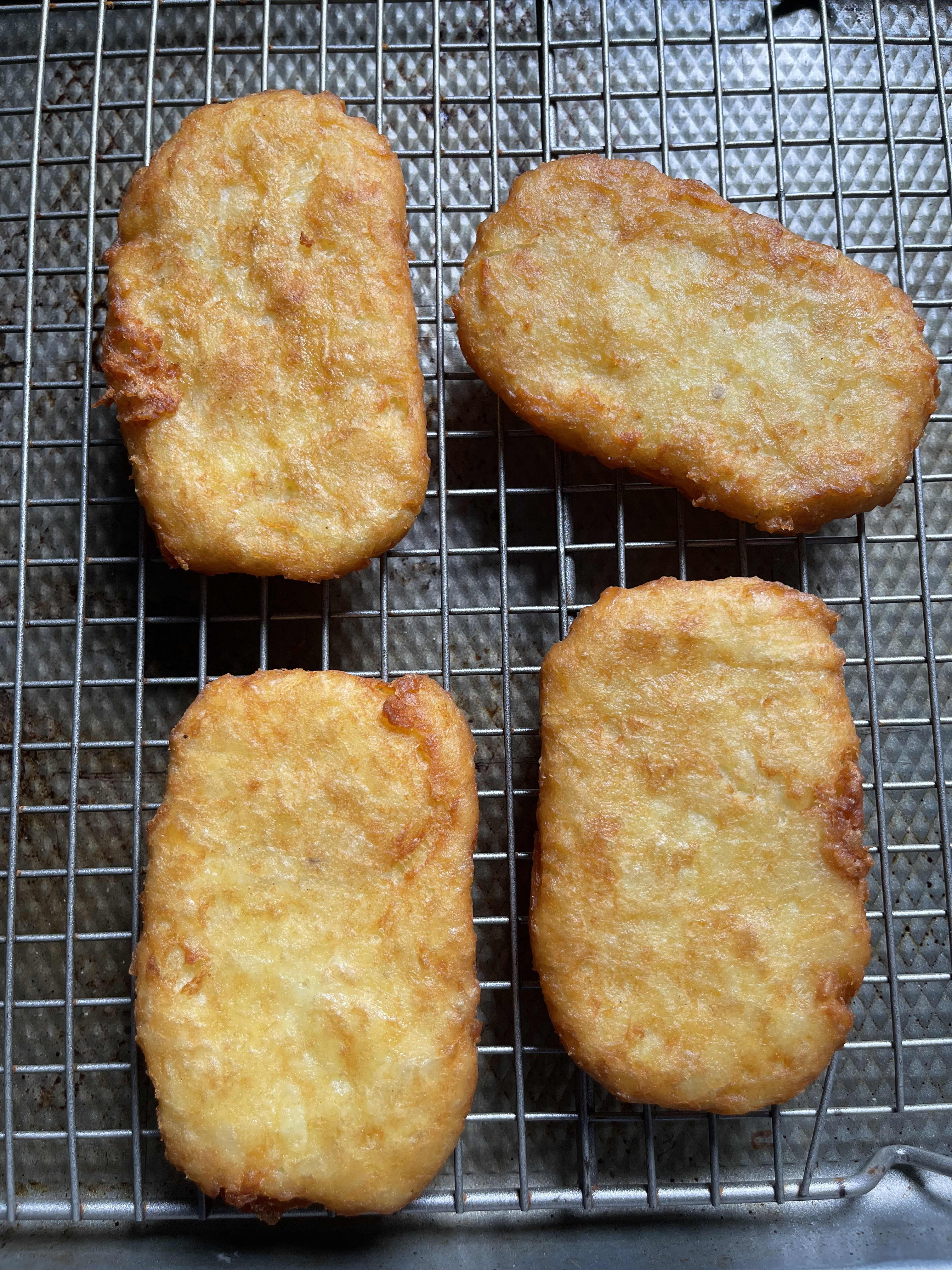
In a large skillet, heat 2 tablespoons of neutral oil or bacon grease over medium-high heat. Once the oil shimmers, add the dried potato shreds. Press them down firmly with a spatula to create an even, compact layer about half an inch thick. Do not touch the hash browns for 4 minutes. Let them develop a deep golden-brown crust on the bottom. If you try to flip them too early, they will break apart.
After the first side is set, flip the hash browns in sections or use a large plate to invert the whole patty. Add the remaining 1 tablespoon of oil to the pan if needed, then press down again. Cook for another 3-4 minutes until the second side is equally crisp and browned. Season generously with salt and pepper immediately while they are hot. Serve them straight from the skillet for the best texture.
Keep the texture right
The difference between soggy breakfast sides and restaurant-quality hash browns comes down to moisture control and heat management. You are fighting two enemies here: water released from the potato cells and starch that acts like glue. If you skip the drying step, the skillet becomes a steamer. If you overcrowd the pan, the temperature drops, and the edges turn gray instead of golden.
1. Squeeze out every drop of water
After shredding, rinse the potatoes in cold water to remove surface starch, then drain them in a colander. Transfer the shreds to a clean kitchen towel or cheesecloth. Gather the corners and twist hard over the sink. You should see a significant amount of liquid pooling in the sink. If the potatoes still feel damp to the touch, they will steam rather than fry. The goal is dry, white shreds that hold their shape when squeezed.
2. Use high-smoke-point fat
Butter burns easily at the high heat required for crispness. Use a mix of neutral oil, like vegetable or canola, and a small amount of bacon grease or clarified butter for flavor. Heat the skillet over medium-high until the oil shimmers but doesn’t smoke. A cold pan is the fastest way to make mushy hash browns. The fat needs to be hot enough to sear the potato surface immediately upon contact.
3. Press, don’t stir
Spread the shredded potatoes into an even layer in the skillet. Press down firmly with a spatula to create a compact cake. This maximizes surface area contact with the hot pan, which is essential for creating a uniform crust. Do not stir the hash browns for the first 4-5 minutes. Let the bottom set and turn deep golden brown before you attempt to flip. If you lift an edge and it sticks, it isn’t ready yet.
4. Flip once and finish
Once the bottom is crisp, flip the hash browns in sections or as a whole if your skillet allows. Add a little more fat to the exposed side if needed. Cook for another 3-5 minutes until the second side is equally browned. Season with salt and pepper immediately after flipping so the seasoning sticks to the oil rather than sinking into the raw potato.
-
Rinse shreds to remove excess starch, then drain thoroughly.
-
Squeeze potatoes in a towel until no liquid remains.
-
Heat oil until it shimmers; do not start with a cold pan.
-
Press shreds flat and leave undisturbed for 4-5 minutes.
-
Flip only once the bottom is deep golden and releases easily.
Swaps that still work
You can tweak the core ingredients without losing that essential shatter-crisp texture. The goal is to maintain the starch-to-moisture balance that allows the shreds to fry properly. Swap one component for another, but keep the technique consistent.
Potatoes
Russets are the gold standard because their high starch content dries out and crisps up. If you run out, Yukon Golds work but need a longer cook time. Avoid waxy varieties like red potatoes; they hold too much moisture and turn gummy instead of golden.
Fats
Butter adds a rich, nutty flavor, while neutral oils like canola or avocado oil handle higher heat without burning. Bacon grease is the traditional diner choice for depth. You can mix them: use oil for the high-heat sear and finish with a pat of butter for flavor.
Binders
Many recipes skip flour, but a tablespoon of cornstarch helps create a crust if your potatoes are wet. If you are using Yukon Golds or have a wetter potato, add 1-2 tablespoons of cornstarch or all-purpose flour. Skip it if you are using dry, starchy Russets and have squeezed them well.
Aromatics
Onion is classic, but you can swap it for garlic powder or dried herbs. Fresh onion adds moisture, so sauté it separately first. For a spice kick, add a pinch of smoked paprika or cayenne. Keep it simple so the potato flavor remains the star.
| Ingredient | Original | Swap | Tradeoff |
|---|---|---|---|
| Potatoes | Russet | Yukon Gold | Needs longer cook time |
| Fat | Butter | Avocado Oil | Less flavor, higher smoke point |
| Binder | None | Cornstarch | Extra crisp crust |
| Aromatics | Fresh Onion | Onion Powder | Less moisture, easier to mix |
Serve and store
These hash browns are at their peak during the first twenty minutes out of the pan. The exterior should shatter when tapped, revealing a tender, steamy interior. Serve them immediately on warm plates to keep the crust from softening too quickly. A light sprinkle of flaky sea salt and cracked black pepper is all you need to let the potato flavor shine.
If you are feeding a crowd or prepping for a busy morning, you can cook the patties ahead and hold them. Spread the cooked hash browns in a single layer on a baking sheet and place them in the oven at 200°F (95°C). This keeps them warm without continuing to cook them further. They will stay crisp enough for about thirty minutes before the steam trapped underneath begins to soften the bottom.
To store leftovers, let the hash browns cool completely before packing them into an airtight container. They will keep in the refrigerator for up to three days. Avoid stacking them while they are still warm, as condensation will make them soggy and prone to spoilage. For best results, reheat only what you plan to eat right away.
Reheating is where most people make mistakes. Microwaving turns these hash browns rubbery and limp. Instead, use a skillet over medium heat with a teaspoon of oil, or pop them in a toaster oven at 400°F (200°C) for five to seven minutes. The goal is to drive off moisture and restore the initial crunch. Avoid the microwave unless you are in a rush and don't care about texture.
No comments yet. Be the first to share your thoughts!