Why russet potatoes win
The foundation of a superior hash brown starts with the potato. Not all tubers are built for the skillet. While waxy varieties like red potatoes or Yukon Golds hold their shape well for salads and roasts, they lack the structural integrity needed for crispiness. When cooked, waxy potatoes release moisture and starches that glue together, resulting in a soft, sometimes gummy texture rather than a golden crust.
Russet potatoes, often called Idaho potatoes, are the gold standard for shredded hash browns. Their high starch content and low moisture level are the primary drivers of superior texture. Starch is the engine of crispiness; when heated in fat, it gelatinizes and then dehydrates, forming a rigid, crunchy lattice. Russets provide the necessary starch density to create that shatteringly crisp exterior while keeping the interior tender.
Choosing the right potato is a non-negotiable step. If you substitute a waxy potato, you will likely find yourself fighting steam and excess water, which prevents the Maillard reaction—the chemical process that creates browning and flavor—from happening effectively. Russets dry out easily, allowing the oil to do its job without interference. This is why diner-style hash browns always look and taste different from home attempts using the wrong tuber; it is a matter of botanical chemistry, not just technique.
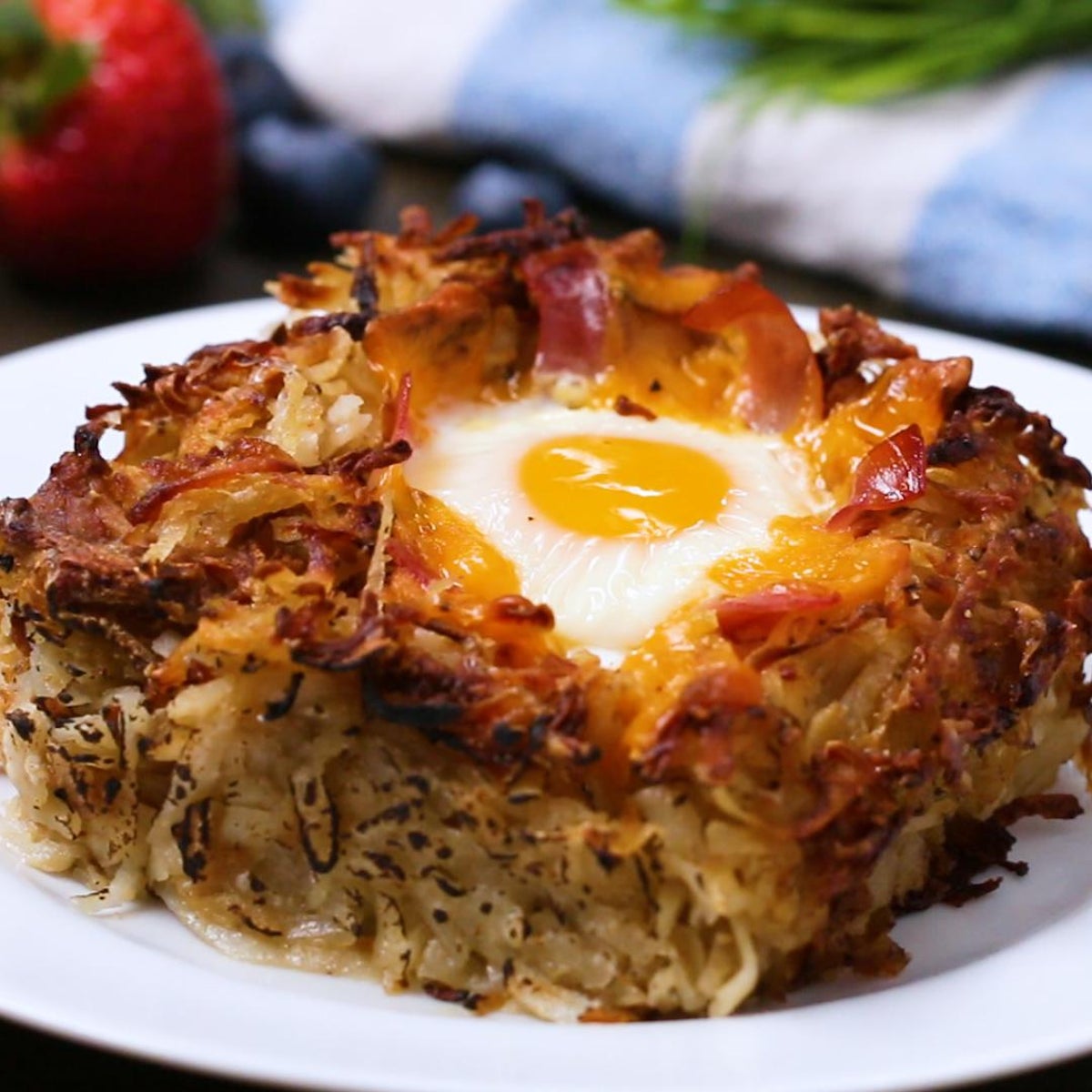
Prep steps for maximum crunch
The difference between a soggy breakfast potato and a golden, shattering crust comes down to one variable: moisture. Water is the enemy of crispiness. When potatoes hit hot oil, the surface temperature must rise above 212°F (100°C) to evaporate surface water before the Maillard reaction can begin browning the starches. If the potato retains too much internal water, it steams itself in the pan, resulting in a soft, pale disc instead of a crunchy foundation.
Achieving that restaurant-style crunch requires a mechanical approach to drying. You are not just cooking potatoes; you are engineering a dehydrated matrix that can accept heat efficiently. This section breaks down the three critical stages of preparation: shredding, squeezing, and drying.
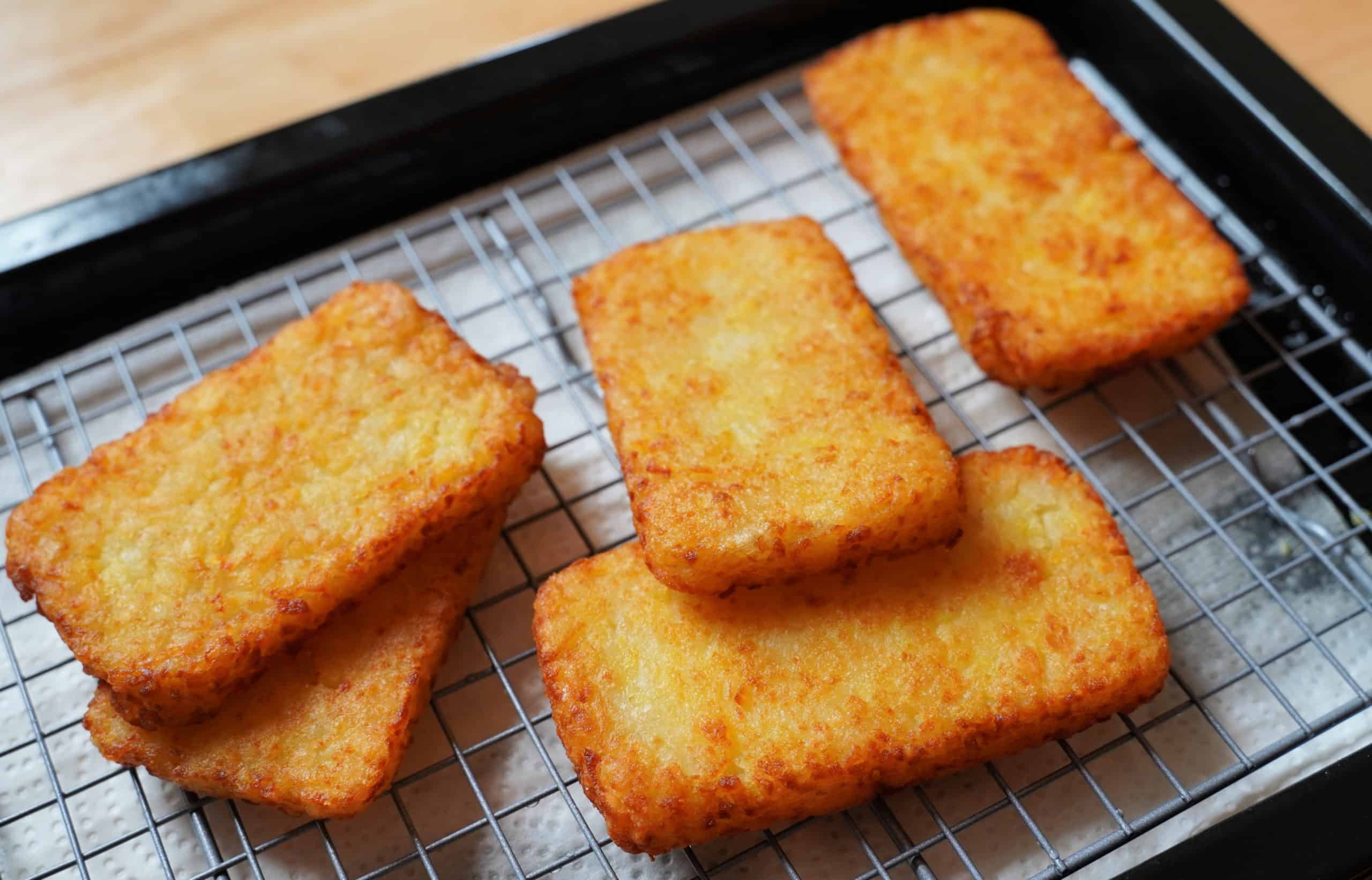
Start with cold russet potatoes. Their high starch content and low moisture create a structure that fries up crispier than waxy varieties. Use the large holes on a box grater or the coarse disc on a food processor. Shred the potatoes directly into a bowl of ice water. This step serves two purposes: it stops the enzymes from turning the potatoes brown, and it loosens the surface starches that can otherwise make the hash browns gummy rather than crunchy.
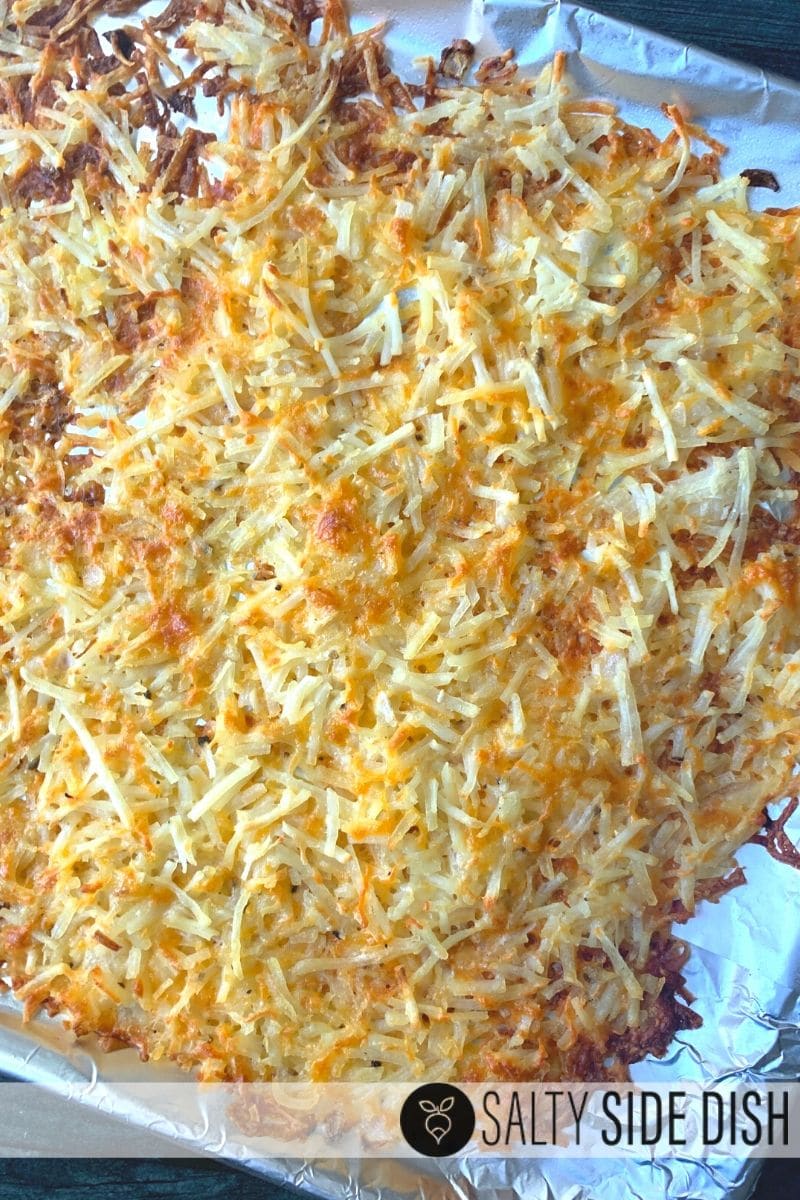
Drain the shredded potatoes and rinse them thoroughly under cold running water. You want to wash away the loose, cloudy starch that sits on the surface. This starch gelatinizes quickly and traps steam, which prevents the individual shreds from crisping individually. Rinse until the water runs clear. This step is non-negotiable for achieving that distinct, shattering crunch rather than a dense, cake-like texture.
Transfer the rinsed potatoes to a clean, thin kitchen towel or a cheesecloth. Gather the edges and twist tightly over the sink. Apply firm, sustained pressure. You will be surprised by how much water comes out. If the potatoes are still wet to the touch, keep squeezing. This is the most labor-intensive part of the process, but it is the single biggest factor in ensuring your hash browns turn out crispy. Dry potatoes fry; wet potatoes steam.
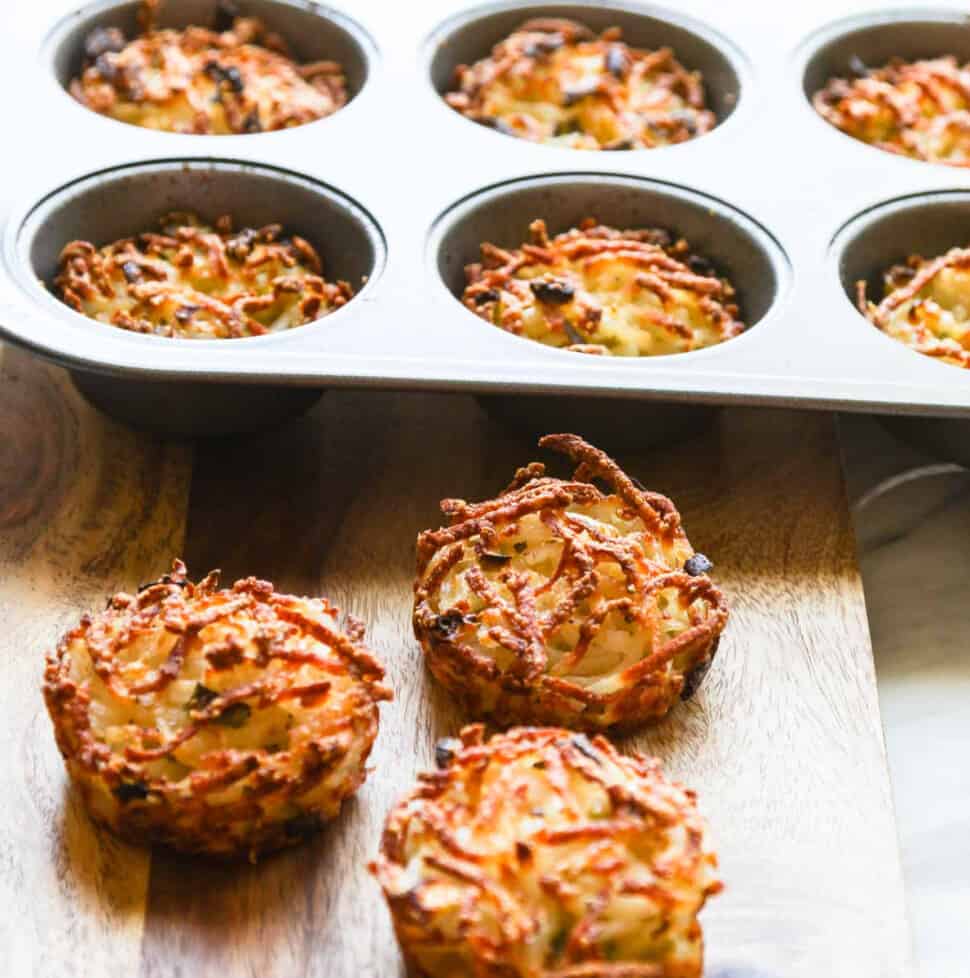
Once you have squeezed the potatoes as dry as possible, spread them in a single layer on a clean kitchen towel or paper towels. Let them sit for 10–15 minutes while you heat your pan. This allows residual surface moisture to evaporate into the air. By the time you are ready to cook, the shreds should feel cool and slightly separate, not clumped together. This final air-dry step ensures that when the oil hits the pan, every shred is ready to brown immediately.
By treating moisture removal as a mechanical process rather than an afterthought, you set the stage for hash browns that deliver consistent, maximum crunch in every bite.
Cooking the perfect skillet
Achieving a golden, crispy crust relies on three variables: high heat, adequate fat, and patience. The goal is to trigger the Maillard reaction—the chemical process that browns food and creates complex flavors—without burning the exterior before the interior softens. For the best hash brown, the skillet acts as the engine for this transformation, so managing its temperature is the most critical step.
Use a heavy-bottomed skillet, preferably cast iron or carbon steel, to ensure even heat distribution. Thin pans create hot spots that burn potatoes unevenly. Add enough oil to coat the bottom generously; a thin layer will burn, while too much oil steams the shreds. Neutral oils with high smoke points, such as vegetable, canola, or clarified butter (ghee), are ideal because they withstand the necessary high heat without imparting unwanted flavors or smoking excessively.
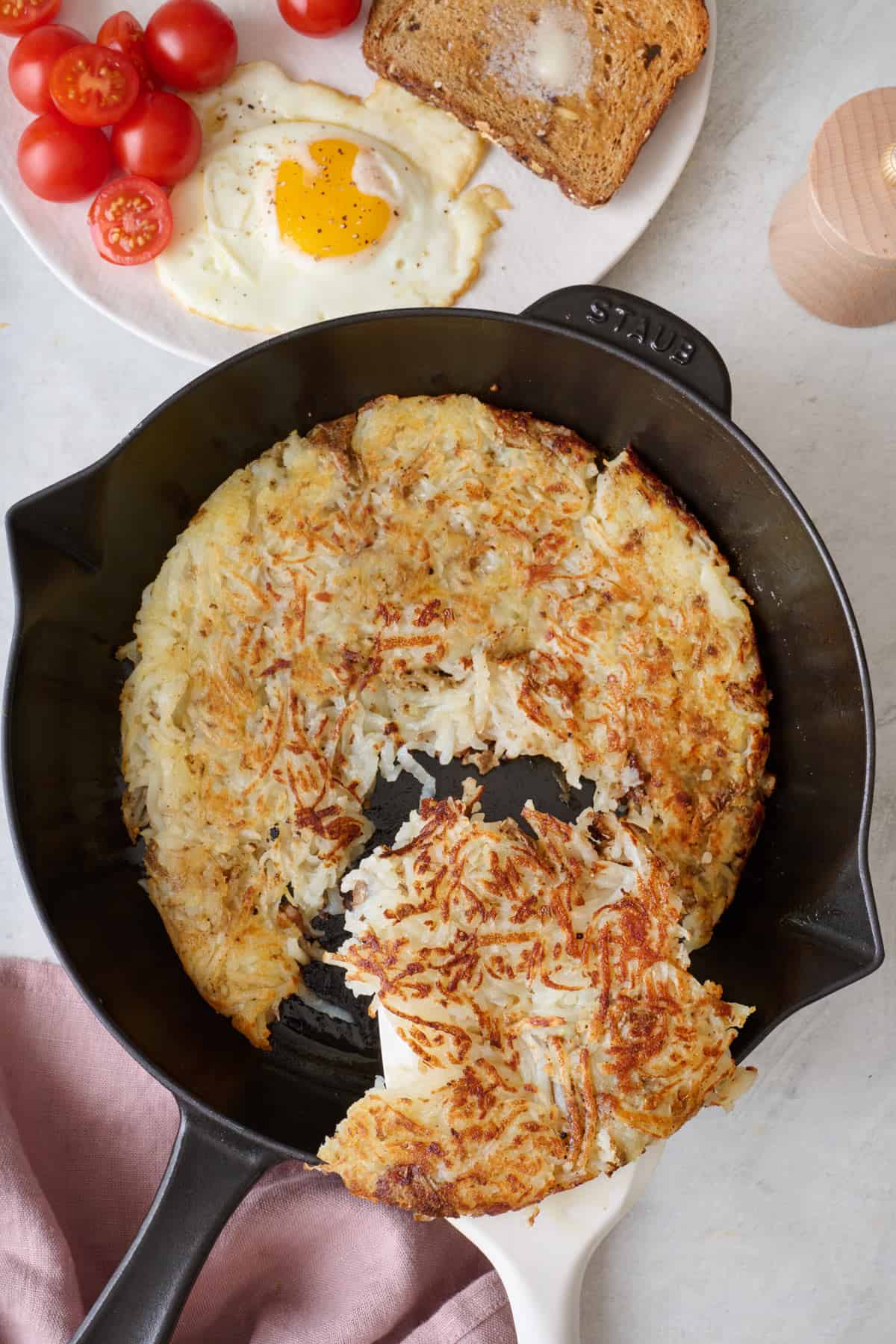
Heat the pan over medium-high until the oil shimmers but does not smoke. Add the shredded potatoes in a single, compact layer. Press them down firmly with a spatula to maximize surface contact with the hot metal. Do not move the hash browns for at least four to five minutes. This stillness is non-negotiable; moving them prematurely breaks the forming crust and releases starch, leading to a soggy texture.
Wait for the edges to turn deep golden brown and release naturally from the pan. This indicates the crust has set. Flip or stir only when the bottom layer is fully crisped. The result should be a uniform crunch with tender interiors, not a pale, steamed pile.
Ingredients and seasoning tips
The foundation of the best hash brown relies on three core components: starch, fat, and heat. Russet potatoes provide the necessary amylose content to create structure, while cornstarch or flour aids in browning by reducing surface moisture and promoting Maillard reaction. High-smoke-point oils like avocado or grapeseed oil ensure the exterior crisps without burning before the interior cooks through.
Flavor variations should enhance, not compromise, texture. Fresh herbs like parsley or chives add brightness without introducing excess water. If using onions, sauté them separately until translucent before folding them into the potato mixture to prevent sogginess. For a savory kick, smoked paprika or garlic powder adds depth without altering the structural integrity of the patty.
Seasoning strategy
Salt draws moisture out of potatoes. To maintain crispiness, salt the oil or the cooked hash browns directly, rather than mixing salt into the raw potato slurry. This simple adjustment prevents the formation of a steamed, mushy layer on the surface. Pepper and other dry spices can be mixed in safely, but wet ingredients like cheese or sauces should be added post-cook or used sparingly.
Flavor variations
Seasoning profiles
-
Classic Savory
Salt, black pepper, and a touch of onion powder for a traditional breakfast staple. -
Herb Garden
Fresh chopped chives and parsley mixed in for a bright, fresh finish. -
Spicy Kick
Cayenne pepper or smoked paprika adds warmth without adding moisture.
Shopping checklist
-
2 large russet potatoes (shredded)
-
1/4 cup cornstarch or all-purpose flour
-
Avocado or grapeseed oil
-
Salt and black pepper
-
Optional: onion, herbs, spices
How to Make Crispy Hash Browns
The science of the perfect hash brown relies on moisture control and high heat. By removing excess water from the potatoes and maintaining a steady temperature in the skillet, you encourage rapid Maillard browning without steaming the shreds. This method yields a golden, crunchy exterior while keeping the interior tender.
Common hash brown: what to check next
Getting a consistently crispy hash brown right comes down to moisture control and starch management. The difference between a soggy mess and a golden crust usually boils down to how you handle the potatoes before they hit the pan.
No comments yet. Be the first to share your thoughts!