Why russet potatoes win
The foundation of any extra crispy skillet hash brown starts with the potato itself. While you might be tempted to grab whatever is in the pantry, the variety you choose dictates the final texture. Russet potatoes are the only correct choice for this recipe because their high starch and low moisture content creates the structural integrity needed for a shattering crust.
Other potato types, such as red or Yukon Gold varieties, contain significantly more water and less starch. When grated, these potatoes release a wet, starchy slurry that steams rather than fries in the pan. This excess moisture prevents the exterior from browning properly, resulting in a soggy, pale disc that lacks the signature crunch of diner-style hash browns.
Russets act like a sponge that has already been wrung out. Their porous, mealy flesh breaks down easily when grated, creating shreds that separate cleanly. This separation allows oil to penetrate every surface area, promoting rapid Maillard reaction and even browning. The result is a golden, rigid matrix that holds together during flipping but crumbles satisfyingly when bitten.
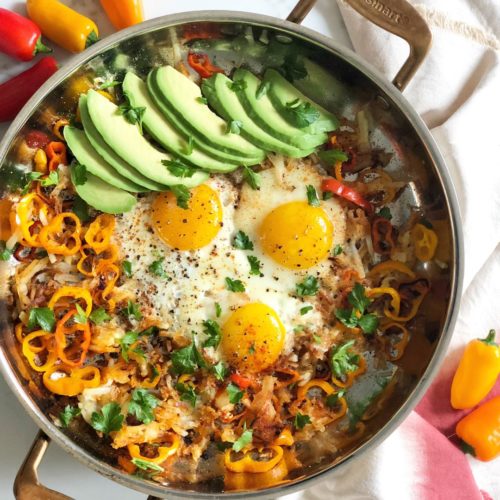
Shred and Squeeze: The Moisture Removal Process
The difference between a soggy, steamed potato and a shatteringly crisp hash brown comes down to one variable: water. Potatoes are roughly 80% water. When you shred raw potato, you rupture the cell walls, releasing that moisture onto the surface. If you throw wet shreds into hot oil, the water boils off before the surface can brown, resulting in a pale, limp texture.
To achieve the golden, crunchy crust characteristic of diner-style hash browns, you must mechanically remove this water before the pan ever heats up. This section covers the two non-negotiable steps: shredding to the right size and squeezing out every drop of liquid.
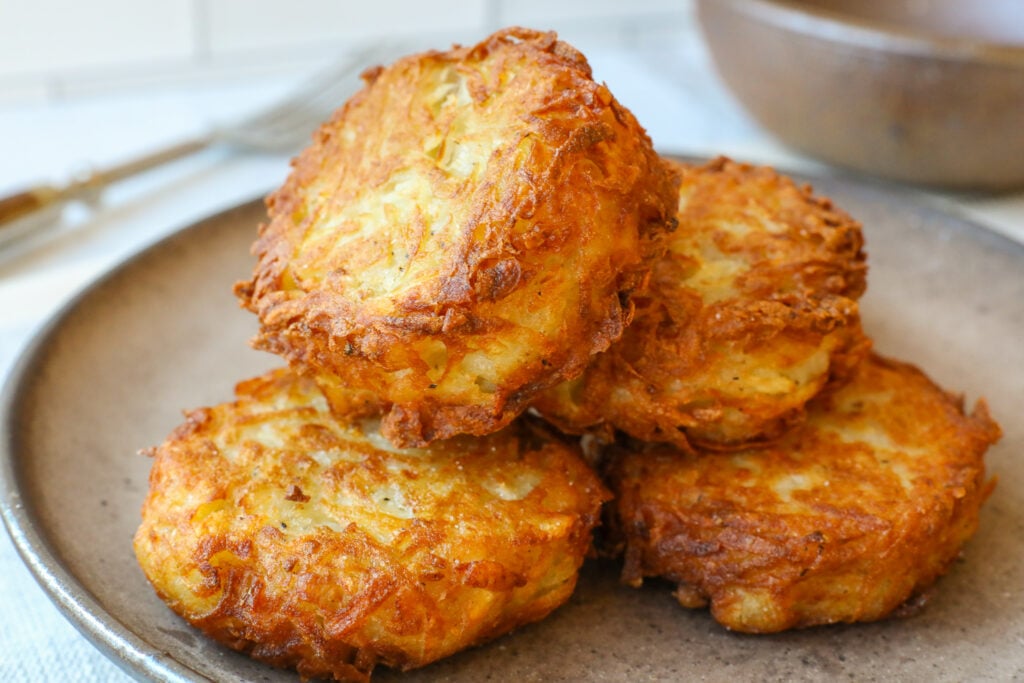
Use the large holes of a box grater or a food processor fitted with a shredding disc. You want thin, uniform strips, not thick chunks or a mushy paste. Thin strips maximize surface area, allowing more of the potato to touch the hot oil simultaneously. Avoid the fine grating holes; they create a starchy sludge that clumps together rather than forming individual crispy strands.
Place the shredded potatoes in the center of a clean, lint-free kitchen towel or a layer of cheesecloth. Gather the corners and twist tightly over the sink. Apply firm, sustained pressure. You are looking for a significant amount of water to drain out. If the shreds still look wet and slick after the first squeeze, unwrap them, fluff them up, and squeeze again. Dry shreds will look dull and feel cool to the touch, not slick and wet.
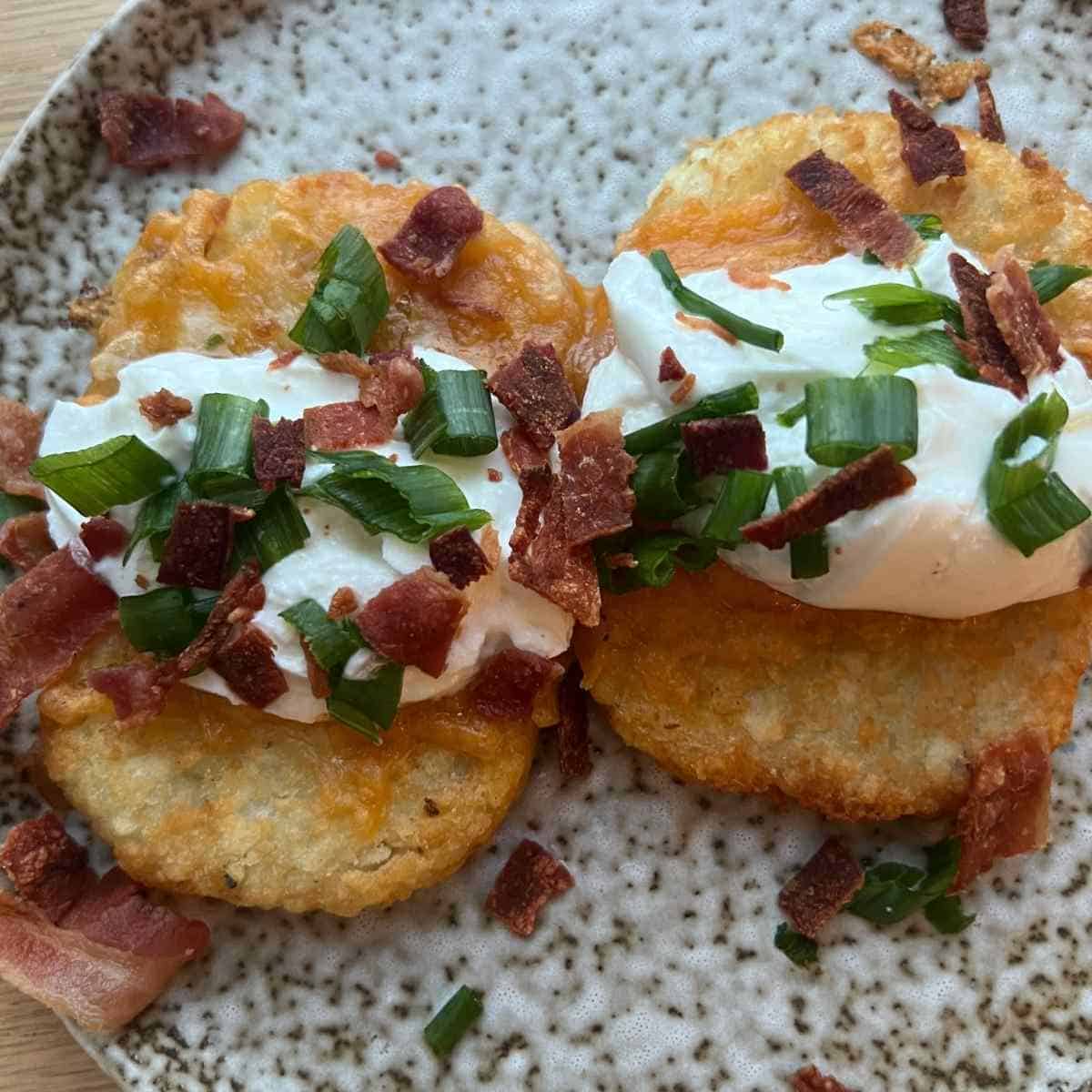
After squeezing, spread the potatoes on a clean plate or cutting board for a moment. Look closely at the strands. If you see any pooling liquid or if the shreds clump together immediately upon touching, they are still too wet. Repeat the squeezing process. Removing this moisture is the single most important step for ensuring your hash browns crisp up rather than steam in their own juices.
| Tool | Shred Texture | Best Use Case |
|---|---|---|
| Box Grater | Thin, uniform strips | Handheld control and consistent crispiness |
| Food Processor | Fast, uniform shreds | Large batches when speed is priority |
| Fine Grater | Mushy, starchy paste | Avoid for hash browns; creates clumps |
This mechanical dehydration is the foundation of your recipe. Without it, even the best seasoning and highest heat will fail to produce the desired crunch. Once the potatoes are dry, they are ready to be tossed with starch and hit the pan.
The skillet and fat ratio
The skillet is the engine of your hash browns. Cast iron retains heat better than stainless steel or nonstick, creating the steady, high thermal mass needed to drive moisture out of the potato shreds quickly. Without that immediate heat shock, the starches gelatinize and steam instead of browning, leaving you with a soggy, gray result. A heavy-bottomed stainless steel pan works if you preheat it thoroughly, but thin pans will drop temperature the moment the cold potatoes hit the surface, leading to uneven cooking.
Fat selection dictates both flavor and browning efficiency. Butter provides a rich, nutty aroma, but its milk solids burn at standard skillet temperatures. To get the best of both worlds, use a blend: one part butter for flavor, one part neutral oil (like vegetable or canola) for smoke resistance. This ratio allows you to cook at medium-high heat without scorching the fats before the potatoes crisp.
Start with a generous amount of fat—about 3 to 4 tablespoons for a standard 10-inch skillet. The potatoes need to float slightly in the fat to conduct heat evenly. If the pan looks dry, the hash browns will stick and tear when you try to flip them. Let the butter and oil melt together until the foaming subsides, indicating the water has evaporated from the butter. This is your signal that the pan is ready for the potatoes.
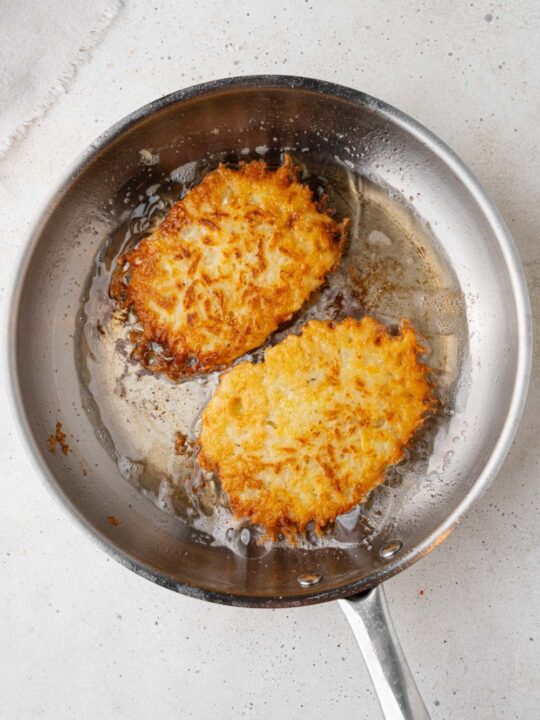
The Science of the Unstirred Crust
The difference between soggy, steamed shreds and a shattering, golden crust comes down to moisture management and starch gelatinization. When the shredded potatoes first hit the hot skillet, the surface temperature spikes rapidly. This initial contact triggers the Maillard reaction, creating the complex savory flavors and deep brown color associated with a perfect hash brown. However, this reaction only succeeds if the surface dries out quickly enough to allow browning rather than boiling.
To achieve this, you must resist the urge to stir. Stirring disrupts the formation of the initial crust and redistributes moisture back onto the cooking surface, effectively steaming the potatoes instead of frying them. The goal is to let the bottom layer dehydrate and bond into a single, cohesive sheet. This requires patience and a medium-high heat setting that is hot enough to evaporate water but not so hot that it burns the starch before the interior cooks.
Once the bottom has set, the potatoes will release naturally from the pan. If you try to move them before the crust has formed, the shreds will break apart, resulting in loose, uneven pieces rather than a unified, crispy patty. Listen for the sizzle; a loud, vigorous crackle indicates active moisture evaporation, while a quieter, wet sound suggests the pan is too cool or overcrowded. Trust the process: the crust forms only when you leave the potatoes alone.
Ingredients and timing
Achieving extra crispy hash browns requires precise ratios to manage moisture and starch gelatinization. Russet potatoes provide the necessary high-starch structure, while binding agents like egg and flour create a cohesive matrix that holds together during the high-heat sear. The fat source—oil for maximum crispness or butter for flavor—must be hot enough to instantly vaporize surface moisture, preventing the potatoes from steaming.
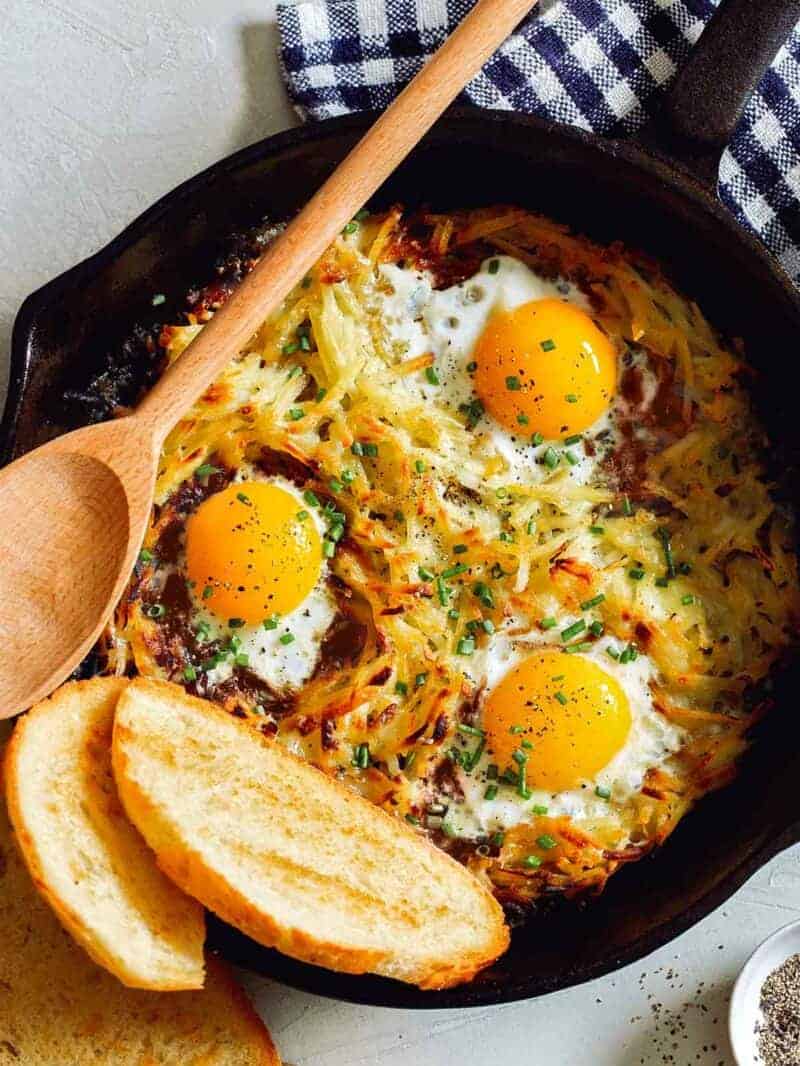
Total active time is approximately 35 minutes. The key to the texture lies in the initial drying step and the undisturbed cooking phase, which allows the Maillard reaction to develop fully on the potato surface.
Visual confirmation for the flip
The structural integrity of the patty depends on starch gelatinization occurring before the heat source is removed. Once the bottom layer achieves a rigid, golden crust, the potato matrix is ready to shift. Flipping prematurely breaks this bond, resulting in scattered shreds rather than a unified disc.
Watch the embedded demonstration to observe the wrist motion required for a clean inversion. The goal is a single, fluid motion that preserves the crust's surface area. This visual guide confirms the timing needed to maintain the crispy exterior while ensuring even cooking on the second side.
Common mistakes to skip
Soggy centers and burnt edges usually stem from one variable: moisture. Potatoes are mostly water. When that water meets a hot pan, it turns to steam, steaming the potato from the inside out before the outside can crisp. You are fighting a phase change. The goal is to remove as much free water as possible before the starches gelatinize.
Start with dry potatoes. After shredding, rinse until the water runs clear to remove surface starch, then squeeze the shreds in a clean kitchen towel or cheesecloth until they feel dry to the touch. If they are damp, they will steam. If they are dry, they will fry. This step is non-negotiable for extra crispy results.
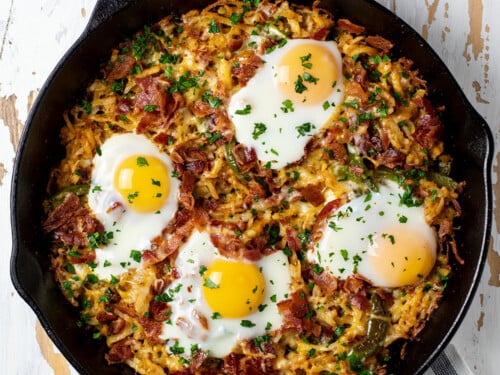
Avoid stirring. Every time you lift the spatula, you break the crust forming on the bottom. Let the hash browns sit undisturbed over medium-high heat until a golden-brown crust forms. This usually takes 5-7 minutes. If you lift an edge and it releases cleanly, flip it. If it sticks, it needs more time.
Checklist for success:
No comments yet. Be the first to share your thoughts!