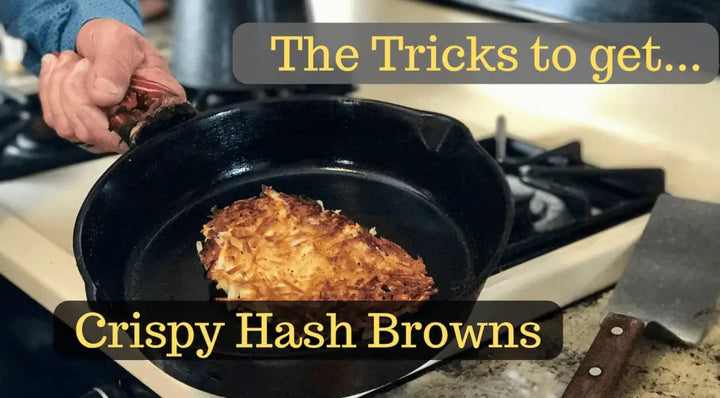

Why frozen potatoes win for crispiness
The secret to restaurant-quality hash browns is ingredient selection, not technique. Frozen shredded potatoes offer a technical advantage fresh potatoes cannot match: consistent moisture control. Commercial frozen shreds are pre-bleached in ice water, removing surface starch—the primary cause of soggy, gummy results.
Fresh potatoes require tedious grating, rinsing, and squeezing to achieve similar dryness. Frozen varieties skip this guesswork. The freezing process breaks down cell walls, allowing moisture to evaporate rapidly during cooking. With starch removed and water content lowered, the potatoes hit the hot skillet and begin crisping immediately.
This method relies on high heat and minimal handling. Thaw the shreds slightly, pat them dry to remove ice crystals, and drop them into the pan. The result is a uniform, golden-brown crust without the risk of steam turning your skillet into a steamer.
Ingredients for the best hash brown recipe
Crispiness is a function of moisture displacement and fat saturation. You need ingredients that facilitate rapid heat transfer without introducing excess water.
Frozen shredded potatoes
Use unsalted, unseasoned frozen shredded hash browns. Fresh potatoes introduce variable moisture and starch levels. Frozen varieties are pre-blanched and dried, ready for the pan immediately. This eliminates the primary variable leading to soggy results.
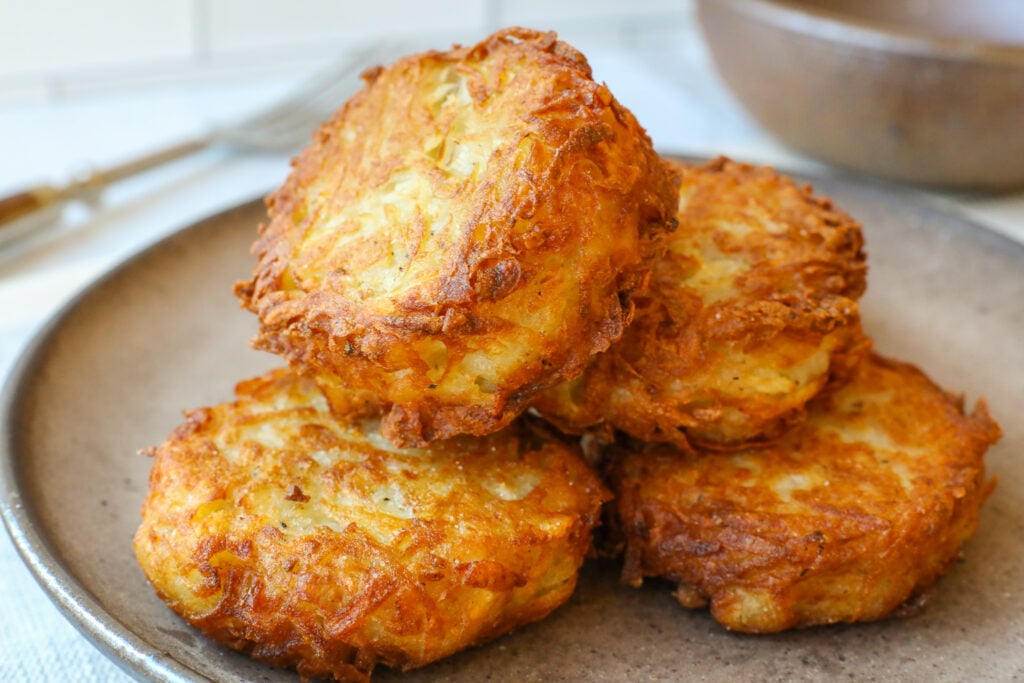
High-smoke point oil
Start with a neutral oil like vegetable, canola, or avocado. These fats withstand high heat without burning. The oil coats potato shreds, creating a barrier that prevents sticking and promotes even browning. It must be hot enough to sizzle immediately, ensuring the exterior crisps before the interior steams.
Butter
Add butter toward the end of cooking. While oil handles the high-heat searing, butter provides nutty, rich flavor. Butter burns easily, so introduce it once the potatoes are mostly cooked and the oil has done its heavy lifting. This combination yields a crust that is structurally sound and deeply flavorful.
Salt and pepper
Season with coarse salt and freshly cracked black pepper. Salt draws out residual moisture, aiding crisping. Add salt during the last few minutes to prevent premature sogginess. A light dusting of cayenne is optional but not required for the base technique.
Skillet hash brown recipe card
Moisture is the enemy of crispiness. Frozen shredded potatoes contain significant water, so the first step is aggressive dehydration. Thaw the potatoes completely in a fine-mesh strainer or cheesecloth. Once thawed, squeeze them firmly until no liquid drips out. The potatoes should feel dry and loose, not clumped. This ensures heat goes toward browning starch rather than steaming it.
Preheat a heavy skillet—cast iron or stainless steel—over medium-high heat. Add enough fat to coat the bottom and sides. The fat should shimmer but not smoke. Add the dried potato shreds and press them firmly with a spatula to form an even, compact patty. Do not stir. Pressing creates maximum surface contact with the hot pan, required for even browning.
Let the hash browns cook undisturbed for 5 to 7 minutes. Watch for edges to turn golden brown and release naturally. If they stick, the heat is too low. Once the bottom is set and crisp, flip the entire patty or divide it into quarters. Cook the second side for another 5 to 7 minutes until uniformly golden. Serve immediately.
Why hash browns turn soggy
Achieving perfect crispiness requires balancing moisture content and heat transfer. When these factors are out of balance, the result is pale, steamed potato rather than golden, shatteringly crisp edges.
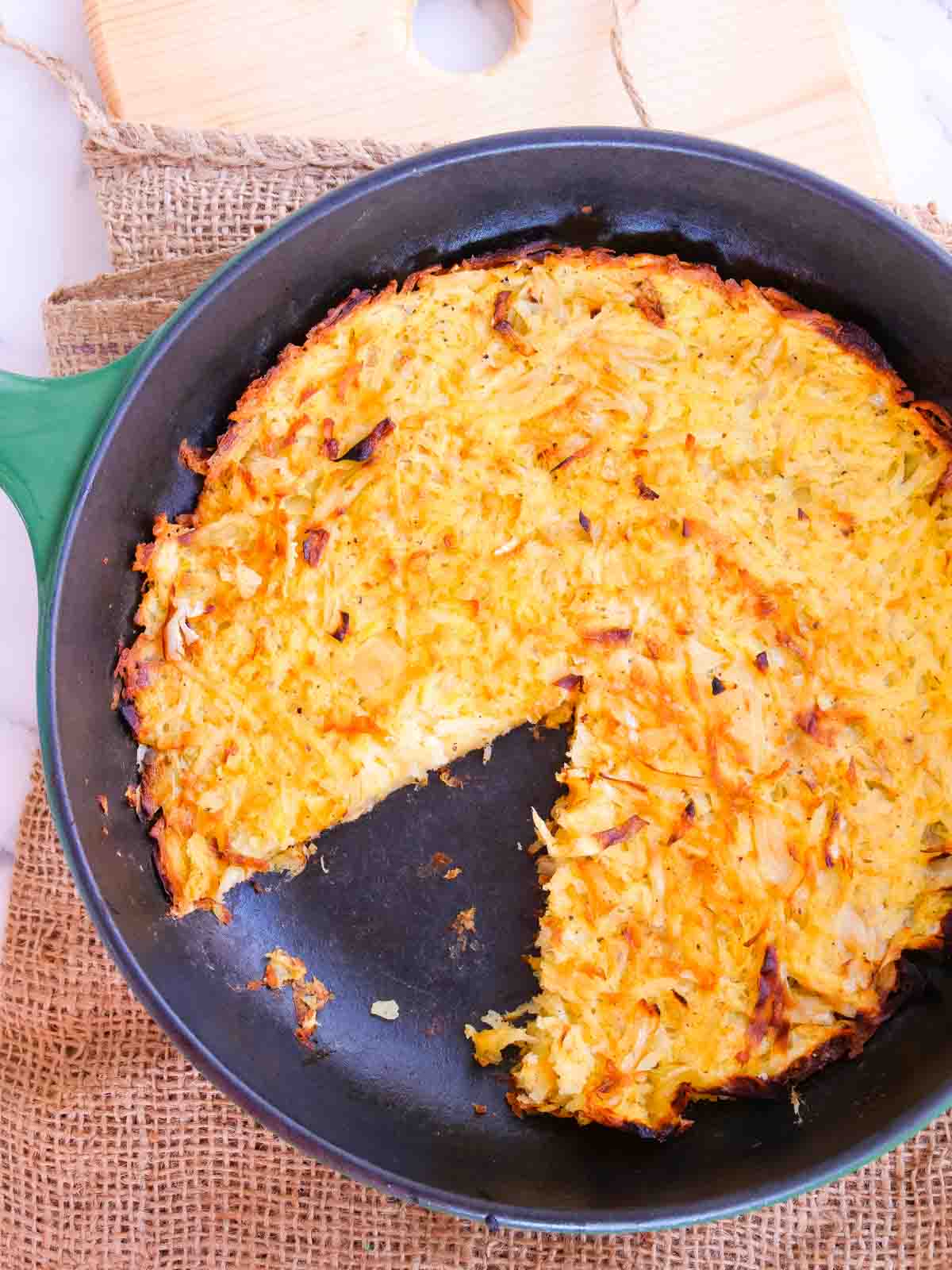
Overcrowding the pan
A crowded skillet traps steam. Piling too many hash browns into the pan drops the cooking surface temperature rapidly. Instead of frying, the potatoes steam in their own released moisture. This prevents the Maillard reaction—the chemical process creating browning and flavor—from occurring effectively.
Spread potatoes in a single, even layer with small gaps. If cooking for more than two people, use a larger skillet or cook in batches. Giving potatoes space allows moisture to evaporate quickly, ensuring each bite crisps properly.
Skipping the squeeze
Frozen shredded potatoes often contain added ice crystals or excess water. If you do not remove this liquid before cooking, you are essentially boiling the potatoes. Place frozen shreds in a clean kitchen towel or several layers of paper towels. Press firmly to extract as much liquid as possible. This step is non-negotiable for crispiness. Dry potatoes hit hot oil and sear immediately; wet potatoes sit in a puddle and absorb grease without browning.
Using low heat
Low heat creates soft, chewy texture. Many cooks fear burning and start on medium-low, but this prevents crust formation. Oil needs to be hot enough to create an immediate crust on the outside of the potato shreds. This crust seals in the interior and prevents the potato from breaking down into mush.
Preheat your skillet over medium-high heat before adding oil. The oil should shimmer but not smoke. When you add the potatoes, they should sizzle aggressively. If the sizzling stops or sounds dull, the pan is too cool. Maintain this heat throughout cooking.
Not letting the crust form
Patience is critical when flipping hash browns. Stirring or flipping too early breaks the forming crust. Potatoes need time to develop a golden-brown layer before being disturbed, usually 4-5 minutes on the first side.
Use a wide spatula to lift the edges and check for color. Once the bottom is deeply golden and releases easily, flip the entire mound or large sections. Press down gently to ensure even contact with the hot surface. This creates a uniform, crispy texture throughout.
Tools for perfect crispy hash browns
Achieving a uniform crunch relies on consistent heat transfer and precise moisture removal. The right cookware and utensils create conditions necessary for rapid evaporation and browning.
Skillet and Shredder Selection
A heavy cast iron skillet or thick stainless steel pan is essential. These materials retain high heat effectively, preventing temperature drops when frozen potatoes hit the pan. A sudden drop steams potatoes rather than frying them. The pan’s surface area should accommodate hash browns in a single, even layer to maximize contact with the heat source.
For the potatoes themselves, a box grater or food processor with a shredding disk is standard. While fresh potatoes require washing and drying, frozen shredded potatoes offer consistency. They are pre-shredded to a uniform size, ensuring even cooking without additional prep work. This consistency allows heat to penetrate each strand equally, promoting uniform crisp.
Spatula and Oil Application
A sturdy, thin metal spatula is the primary tool for flipping and pressing. Unlike a wooden spoon, a metal spatula slides under the delicate hash brown layer without breaking it. It also allows you to press down firmly, ensuring every part of the potato mass touches the hot surface. This pressure is critical for developing the Maillard reaction across the entire patty.
Using a brush or spoon to apply oil evenly across the surface helps conduct heat and prevents sticking. The oil acts as a medium for heat transfer, filling microscopic gaps between potato strands. Avoid non-stick sprays, which can leave sticky residue; instead, use a neutral oil with a high smoke point, such as vegetable or canola oil.
Cookware Comparison
Choosing the right skillet impacts heat retention and browning capability. The table below compares common options for this specific technique.
| Pan Type | Heat Retention | Browning | Ease of Cleanup |
|---|---|---|---|
| Cast Iron | Excellent | Superior | Moderate |
| Stainless Steel | Good | Very Good | Easy |
| Non-Stick | Fair | Poor | Very Easy |
| Carbon Steel | Good | Very Good | Moderate |

Serving and Storage
Serve hash browns immediately while the Maillard reaction is at its peak. The surface moisture has evaporated, leaving a dry, conductive crust that shatters under pressure. Pair them with high-fat ingredients like butter or avocado, but avoid wet toppings like salsa or heavy syrups until the last moment to prevent steam from softening the exterior.
For leftovers, moisture is the enemy of crispiness. Reheating in a microwave steams the potatoes, turning them rubbery. Instead, use dry heat to drive out residual water. Place hash browns on a wire rack over a baking sheet to allow air circulation. Heat at 400°F (200°C) for 5-10 minutes, or until the internal temperature reaches 165°F (74°C). This restores the structural integrity of the crust.
Alternatively, reheat in a skillet over medium-high heat. Add a thin layer of oil to conduct heat efficiently. Cook for 2-3 minutes per side without moving them, allowing a new crust to form. This method mimics the initial cooking process, reversing the sogginess caused by storage.
-
Oven method: Bake at 400°F (200°C) on a wire rack for 5-10 minutes
-
Skillet method: Reheat in a lightly oiled pan over medium-high heat for 2-3 minutes per side
-
Avoid microwaving, which steams the potatoes and destroys the crust
No comments yet. Be the first to share your thoughts!