
Why frozen shreds need extra care
You’ve likely noticed that frozen hash browns don’t behave the same way as fresh ones. The difference isn’t just in the potato; it’s in the water. During the freezing process, the moisture inside the potato shreds turns into tiny ice crystals. When you toss those shreds into a hot pan, that ice has to melt before the browning can even begin.
This is the single biggest hurdle to getting crispy hash browns. If you skip the moisture removal step, you aren’t frying potatoes—you’re steaming them. Steam is the enemy of crispiness. It lowers the pan temperature and coats the potatoes in a soggy layer of water vapor, preventing the Maillard reaction that gives you that golden-brown crust.
The secret to the crispiest hash browns? Remove as much moisture as possible before frying.
To fix this, you need to treat the frozen shreds like a wet sponge. Whether you’re thawing them in a bowl or squeezing them in a cheesecloth, the goal is identical: get the water out. Only when the shreds are relatively dry will they sizzle on contact with the oil, allowing the exterior to crisp up while the inside cooks through.
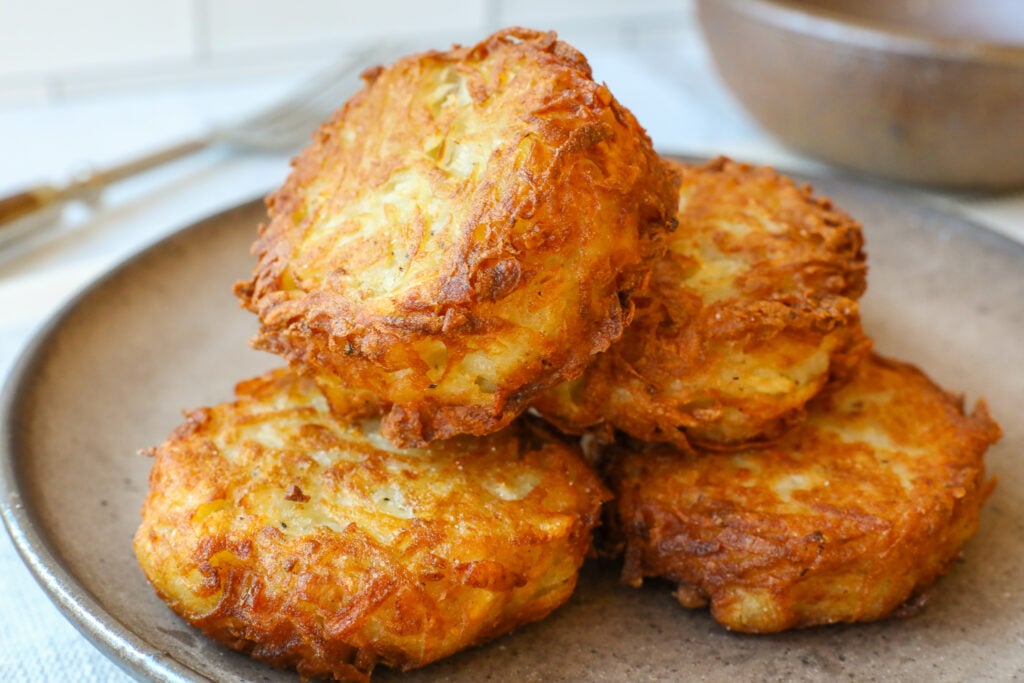
Ingredients and tools for best results
Getting truly crispy hash browns from frozen isn’t about fancy gadgets; it’s about picking the right tools and keeping the ingredient list minimal. You only need a few things to turn those frozen shreds into a golden, crunchy breakfast staple.
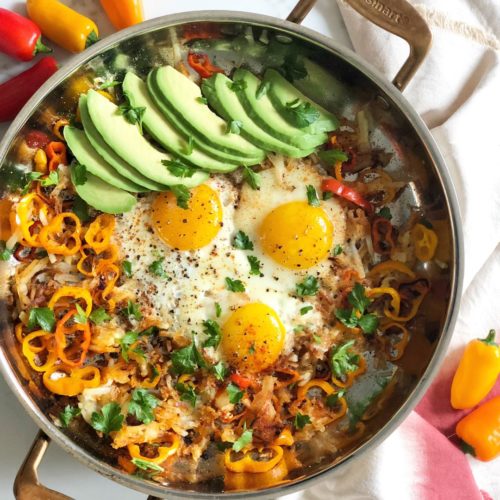
The Essential Checklist
You don’t need a pantry full of spices to make great hash browns. In fact, keeping it simple helps the potato flavor shine. Here is exactly what you need to gather before you start cooking:
-
Frozen shredded hash browns (standard bag)
-
Cast iron skillet (or heavy stainless steel)
-
High-smoke-point oil (canola, vegetable, or avocado)
-
Salt and freshly ground black pepper
-
Paper towels (for draining excess oil)
Why these tools matter
The cast iron skillet is non-negotiable if you want that restaurant-style crunch. It holds heat evenly and distributes it across the entire surface, preventing cold spots that lead to soggy, steamed potatoes. While a non-stick pan might be easier to clean, it often fails to generate the consistent high heat needed to evaporate the moisture in frozen hash browns quickly.
Oil choice is just as important as the pan. Avoid butter or olive oil for this step; they burn at the temperatures required to crisp frozen potatoes. Stick to canola, vegetable, or avocado oil. They have high smoke points and a neutral flavor that lets the savory crunch take center stage.
A note on fresh vs. frozen
While fresh russet potatoes are the classic choice for hash browns because they crisp up better than waxy varieties, we are focusing on frozen here. Frozen hash browns are pre-shredded and often par-cooked, which saves time. The goal is to remove as much surface moisture as possible during cooking. That’s why paper towels are essential—they absorb the excess oil and moisture that leaks out during frying, ensuring your crispy hash browns stay crisp on the plate, not soggy in the pan.
How to Cook Crispy Hash Browns in a Skillet
The difference between soggy, steamed potatoes and golden, crunchy hash browns comes down to patience and heat management. You are not just cooking potatoes; you are building a crust. This method relies on a simple skillet technique that transforms frozen shredded potatoes into a breakfast staple with a satisfying crunch. We will walk through the process step by step, focusing on the critical moments where texture is won or lost.
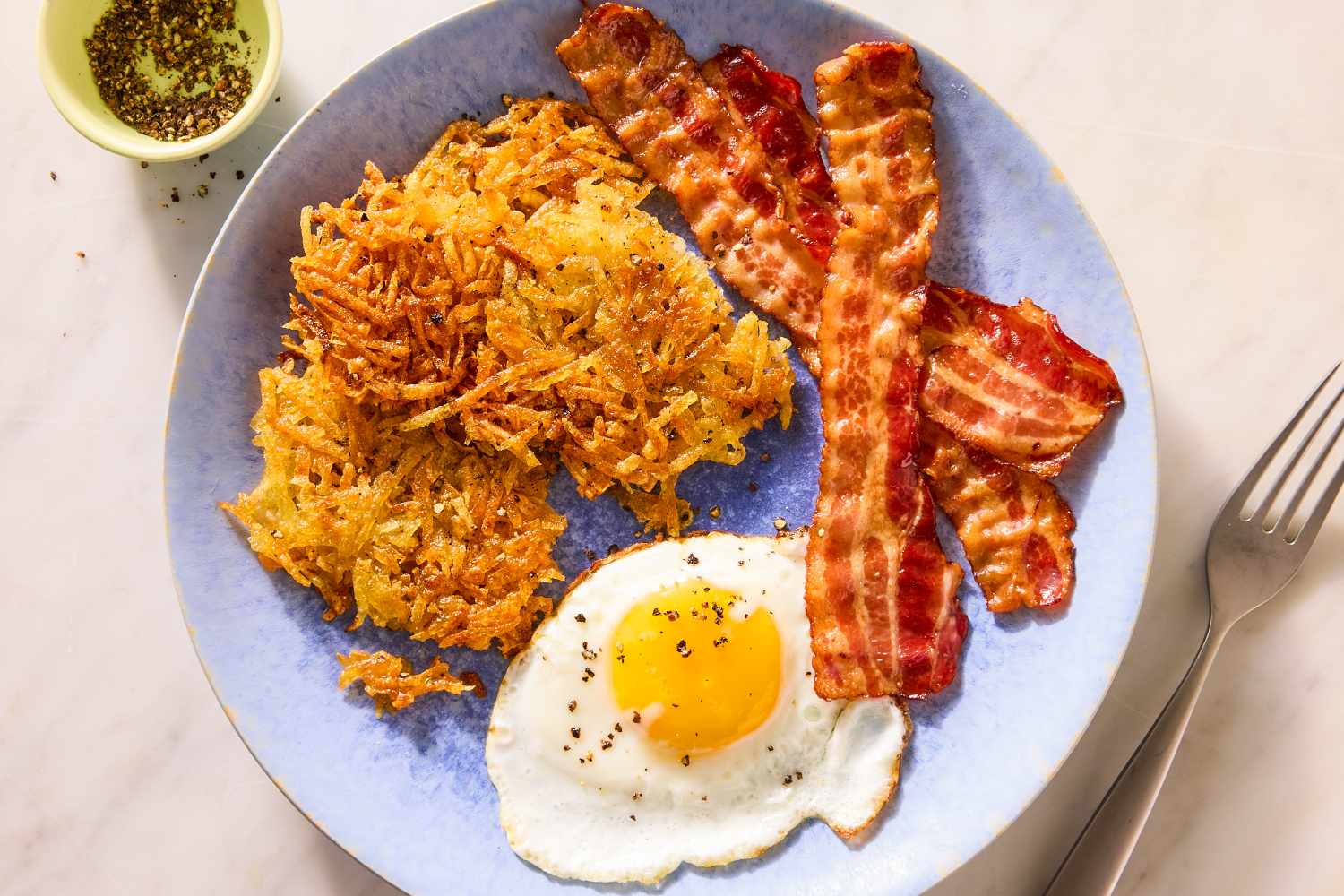
Start by taking your frozen shredded potatoes out of the bag. Let them sit in a colander at room temperature until they are completely thawed. This is the most important step for texture. Frozen potatoes release a lot of water as they thaw, and that water is the enemy of crispiness. Once thawed, grab a clean kitchen towel or several layers of paper towels. Wrap the potatoes tightly and squeeze hard. You want to remove as much moisture as possible. If the potatoes feel wet to the touch, they will steam instead of fry.
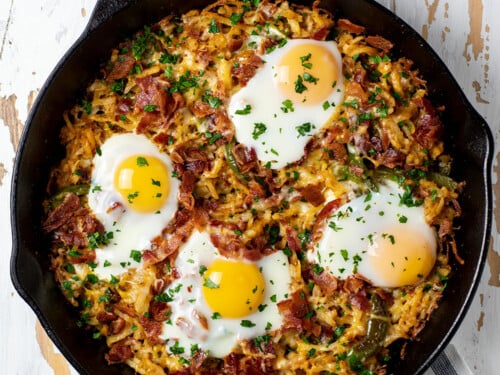
While the potatoes are drying, place a large skillet (cast iron or non-stick works well) over medium-high heat. Add enough oil to coat the bottom generously—about two tablespoons of vegetable, canola, or avocado oil. You want the oil to shimmer but not smoke. If the oil isn't hot enough when the potatoes hit the pan, they will absorb it and become greasy. If it's too hot, the outside will burn before the inside cooks. A good test is to drop a single shred of potato in; it should sizzle immediately.
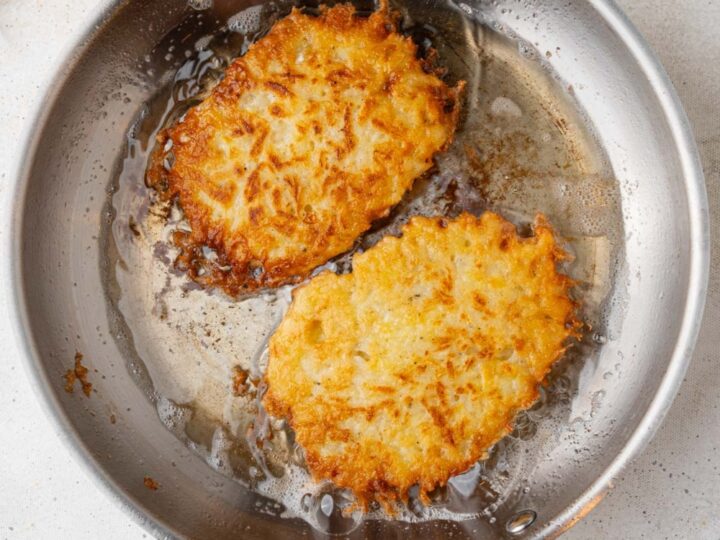
Dump the dried potatoes into the hot skillet. Use a spatula to spread them out into an even layer. Do not pile them up in the center. Press down firmly with your spatula to create a compact, flat patty. This compression helps the potatoes stick together and ensures maximum surface area touches the hot pan. The goal is a uniform thickness so every part of the hash brown cooks at the same rate.
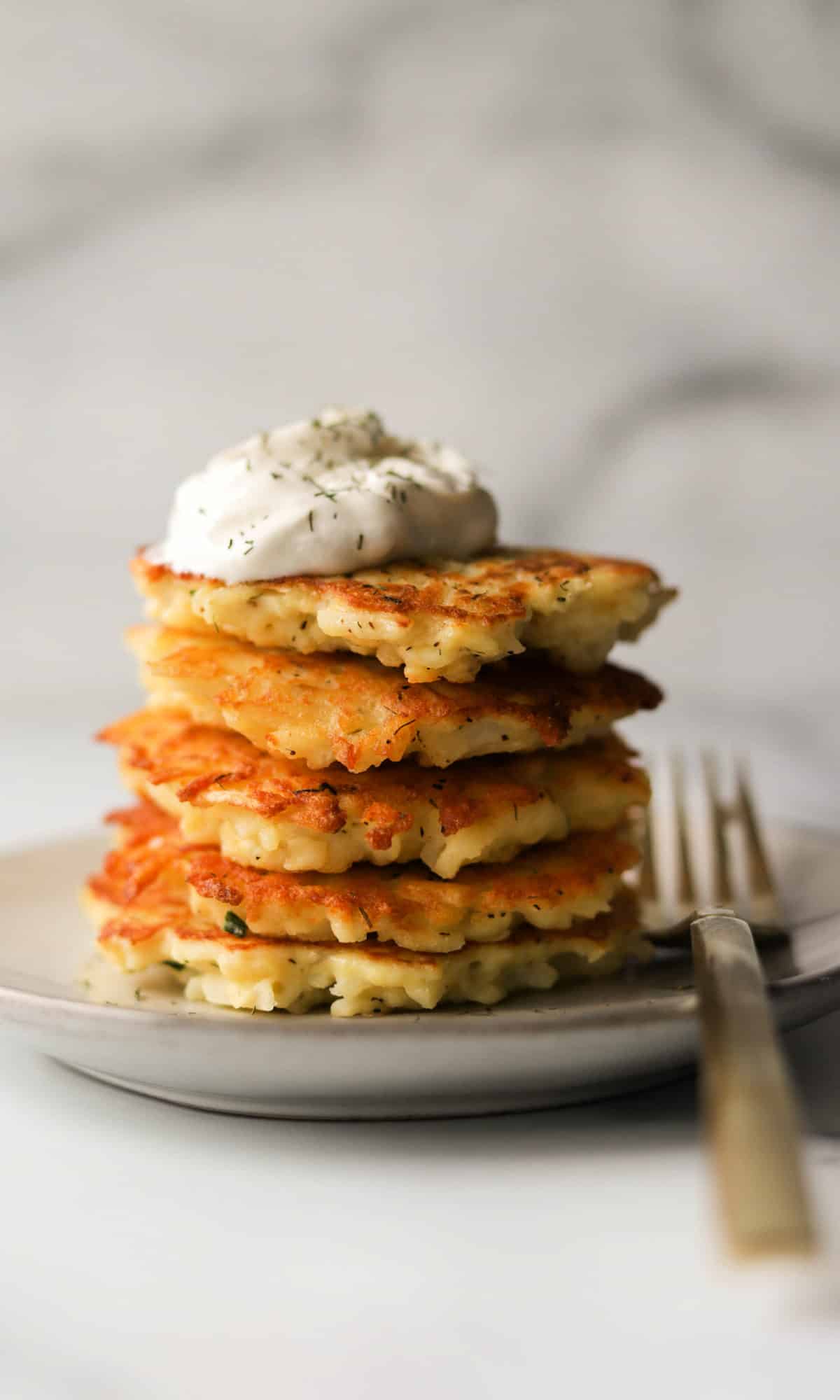
This is where most people make a mistake. Do not stir. Leave the hash browns alone for about 5 to 7 minutes. You are waiting for the bottom layer to dehydrate and turn golden brown. You can gently lift an edge with your spatula to check the color, but resist the urge to flip or mix. If you stir too early, you break up the forming crust and release moisture back into the pan. Let it sit. Patience creates the crunch.
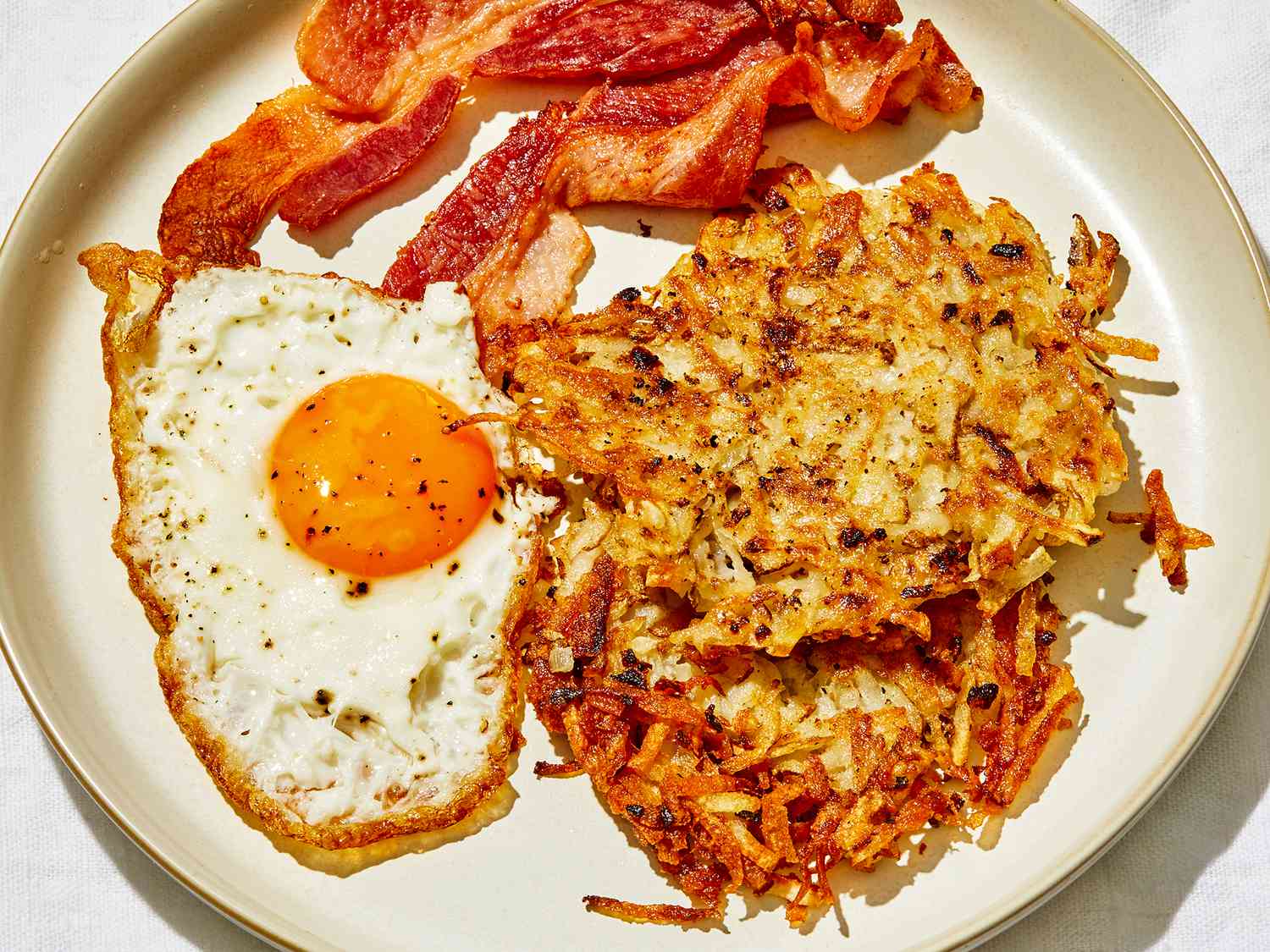
Once the bottom is deep golden brown and releases easily from the pan, it is time to flip. You can flip the whole thing in one piece if you are confident, or divide it into wedges for easier handling. Add a little more oil to the empty side of the pan if needed. Cook the second side for another 5 to 7 minutes until it matches the first side. The total cook time should be around 10 to 15 minutes. Serve immediately while hot and crispy.
The secret to restaurant-quality crispy hash browns isn't a special ingredient; it's the removal of water and the refusal to move the potatoes until they have formed a crust. By following these steps, you can achieve that same golden, crunchy texture right in your own kitchen.
Troubleshooting soggy hash browns
Even with frozen hash browns, getting that perfect crunch isn't always guaranteed. If your skillet looks more like a steamed mess than a golden crust, you're likely dealing with one of two common pitfalls: excess moisture or overcrowding. Fixing these issues is the difference between a breakfast staple and a sad, soft potato pile.
Why won't my hash browns crisp?
The main reason frozen hash browns fail to crisp is trapped steam. Frozen potatoes release a significant amount of water as they thaw in the pan. If you don't give that moisture a way to escape, the potatoes essentially boil themselves in their own juices. This is why a lid is your enemy during the initial cooking phase. You need high heat and direct contact with the pan to evaporate that water quickly and start the Maillard reaction—the chemical process that creates that deep, golden-brown color and savory flavor.
Another frequent mistake is overcrowding the pan. When you pile too many hash browns into the skillet, the temperature of the pan drops rapidly. Instead of frying, the potatoes steam against each other. To ensure crispy hash browns, cook in batches if necessary. Give each layer room to breathe so the heat can work efficiently on every surface.
Common fixes for texture problems
If your hash browns are turning out pale or tough, check your heat level. Many cooks burn the outside before the inside is cooked through because they crank the heat too high from the start. Start with medium-high heat to thaw and release moisture, then finish on high heat to crisp the exterior. This two-stage approach mimics how professional kitchens handle potato dishes, ensuring a tender interior with a crunchy shell.
Patience is also a critical ingredient. Rushing the process leads to uneven cooking. Let the hash browns sit undisturbed for a few minutes to form a crust before flipping. If you stir too early, you break that forming crust, resulting in a scattered, soggy texture. Trust the process, and let the heat do the work.
No comments yet. Be the first to share your thoughts!