
Why Moisture Kills Crispiness
The single most important factor in achieving crispy hash browns is removing water. If you skip squeezing your shredded potatoes, you are essentially making potato pancakes, not hash browns. Water is the enemy of the Maillard reaction, the chemical process that creates that deep, golden-brown crust and complex flavor. When wet potato shreds hit hot oil, the water must evaporate before the surface can brown. This turns your frying pan into a steamer, leaving you with soggy, pale, and tough potatoes.
Think of a dry potato like a sponge soaking up oil, while a wet one repels it with steam. The moisture creates a barrier that prevents the oil from directly contacting the starch. Without direct contact, the surface never gets hot enough to crisp up. It stays soft and rubbery, no matter how long you cook it. This is why recipes from trusted sources like Simply Recipes emphasize that removing as much moisture as possible is the only way to get that diner-style crunch.
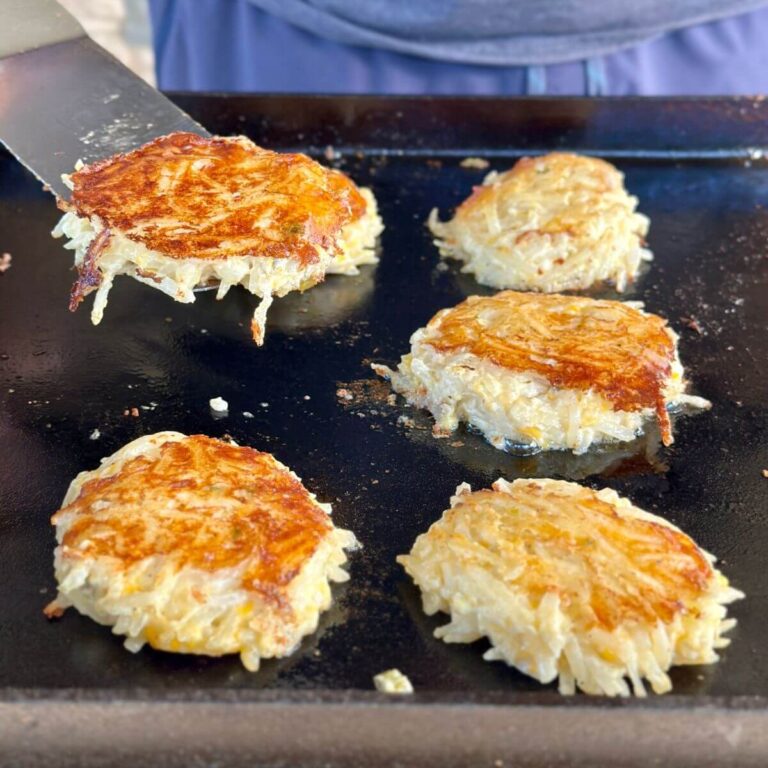
You can see this principle in action when comparing potato varieties. Russet potatoes are the classic choice because their high starch content and low moisture make them easier to dry out thoroughly. Waxy potatoes hold onto their water more tightly, making them harder to crisp. Even if you use the right potato, the result will fail if you don't wring out every drop of liquid. A clean squeeze is non-negotiable for success.
Choose the right potato base
The foundation of crispy hash browns starts with the starch. Russet potatoes are the gold standard because their high starch and low moisture content allow them to crisp up far better than waxy varieties. You have two paths to get there: using fresh russets or grabbing a bag of frozen shredded potatoes.
Fresh russets: manual shredding
Fresh potatoes offer the best texture if you have the right tools. Without a dedicated shredder, a standard box grater works well for smaller batches, while a food processor with a slicing or shredding disk is faster for larger crowds. The goal is to get thin, uniform strips that dry out evenly in the pan.
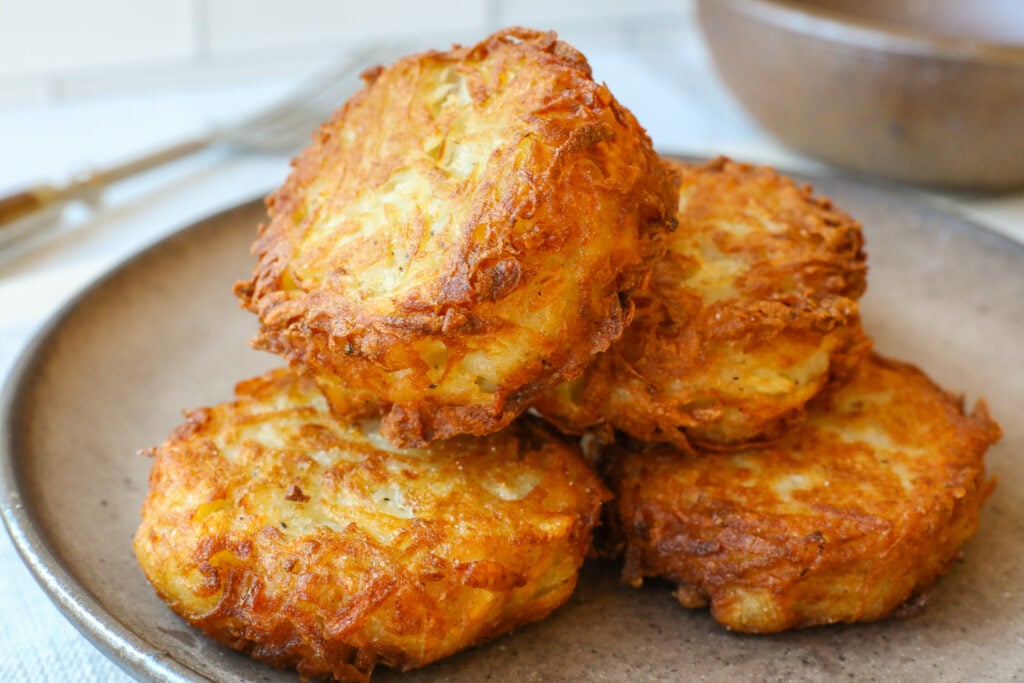
Frozen shredded potatoes
Frozen hash browns are a convenient shortcut. They are pre-shredded and often pre-rinsed, saving you the prep work. However, they can sometimes be more watery, so you may need to squeeze out excess moisture before cooking to ensure they get that golden crunch.
| Feature | Fresh Russet Potatoes | Frozen Shredded Potatoes |
|---|---|---|
| Prep Time | 10–15 minutes (shredding + rinsing) | 0 minutes (thaw and squeeze) |
| Texture | Wispy, distinct strands; extra crispy | Compact; slightly softer bite |
| Moisture Control | High (you control the rinse/dry) | Medium (pre-treated, may need squeezing) |
| Best For | Maximum crispiness and control | Quick weeknight meals |
Fresh potatoes give you the most control over the final texture, but frozen options are a reliable backup when time is short.
The skillet frying technique
Cooking crispy hash browns without a shredder requires patience and heat management. The goal is to create a solid, golden crust that stays intact when flipped. Rushing this process is the most common mistake; high heat burns the outside before the inside dries out and crisps.
Start with a heavy skillet, preferably cast iron, which holds heat steadily. Add enough oil to coat the bottom generously. Bacon grease adds a savory depth, but neutral oils like vegetable or canola work best for high-heat frying. Heat the pan over medium-high until the oil shimmers but doesn't smoke.
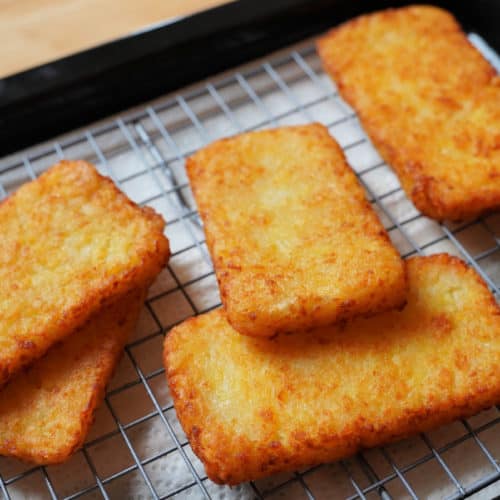
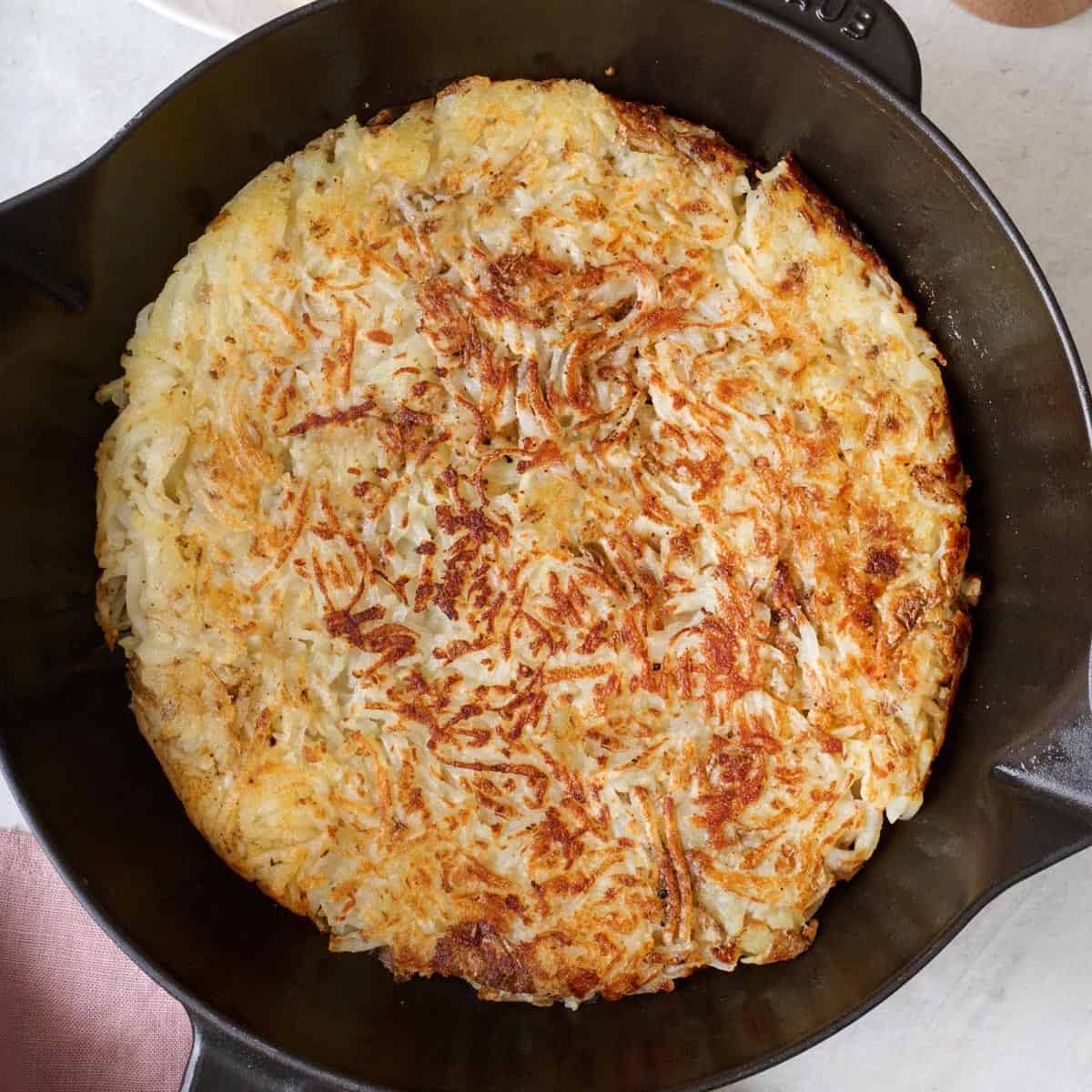
The Flip Test: If the hash brown slides around the pan like a puck, it isn't ready to flip. Wait until it lifts easily without sticking.
For a visual guide on mastering the flip and identifying the perfect golden color, watch this technique demonstration:
Seasoning and Serving Ideas
The moment your shreds hit the pan is when you can steer the flavor profile. Because you are skipping the shredder, you have more control over the texture, which pairs perfectly with bold seasoning. A simple base of salt and pepper works, but adding aromatics early in the cooking process builds depth.
Try sprinkling garlic powder, onion powder, or smoked paprika directly onto the potatoes while they cook. These dry spices toast in the butter, releasing oils that coat each strip. If you want a richer taste, fold in shredded cheddar or Gruyère during the last minute of cooking. The cheese melts into the crispy edges, creating a savory crust that holds together well.
For a classic breakfast spread, serve the hash browns alongside scrambled eggs or bacon. They also stand alone as a hearty side for brunch. Keep them warm in a low oven while you finish the rest of the meal to maintain that essential crunch.
-
Season with salt, pepper, and spices while cooking
-
Add cheese in the last minute to melt evenly
-
Serve immediately on a warm plate
-
Keep extras in a 200°F oven to stay crisp
Crispy Hash Brown Recipe
This diner-style recipe relies on Russet potatoes and thorough drying to achieve maximum crunch without a shredder. The key is squeezing out every bit of moisture before frying.
These hash browns are best served hot with ketchup, sour cream, or fried eggs. For best results, do not skip the drying step—moisture is the enemy of crispiness.
Avoid these hash brown mistakes
Even without a shredder, you can get that golden crunch, but only if you avoid the habits that keep potatoes soggy. The biggest enemy of crispiness is overcrowding the pan. When you pile too much potato in at once, the temperature drops and the moisture has nowhere to go but back into the food. Cook in batches if you have to, giving each layer room to breathe and brown evenly.
Heat management is just as critical. Many home cooks start with a pan that isn't hot enough, leading to steaming rather than frying. Preheat your skillet over medium-high heat before adding the oil. You should hear a sharp sizzle the moment the potatoes hit the surface. If the sound is a dull thud, wait another minute. Low heat is a fast track to a pale, limp result.
Patience during the cooking process is the final piece of the puzzle. Resist the urge to stir constantly. Let the potatoes sit undisturbed for three to four minutes to form a solid crust. Flip them once or twice, but only when they release easily from the pan. Rushing this step tears the crust apart, leaving you with broken bits instead of cohesive, crispy cakes.
"Crunchy, golden-brown hash browns should take 10 to 15 minutes to cook." — AllRecipes Chef Advice
Frequently asked: what to check next
Can I make crispy hash browns without a shredder?
Yes. The goal is thin, consistent strips that release starch and dry out quickly. Use a chef’s knife to slice potatoes into matchsticks, then pile them and slice again perpendicular to the first cut. This cross-cutting mimics a box grater’s texture. Keep the pieces uniform so they cook evenly.
What type of potato works best without a grater?
Russet potatoes are the classic choice because their high starch and low moisture content help them crisp up better than waxy varieties. If you use Yukon Golds or red potatoes, expect a softer, more tender result rather than a crunchy exterior.
How do I reheat leftover hash browns without losing crunch?
Avoid the microwave, which steams the potatoes and makes them soggy. Instead, spread them on a baking sheet and toast in a 400°F (200°C) oven for 5–7 minutes, or reheat them in a hot skillet with a little oil. This restores the Maillard reaction and brings back the crisp.
Can I store shredded hash browns before cooking?
You can soak peeled, cut potatoes in cold water in the refrigerator for up to 24 hours to prevent browning. However, you must drain and dry them thoroughly before cooking. Excess water is the enemy of crispness; pat them dry with a clean towel or use a salad spinner to remove surface moisture.
No comments yet. Be the first to share your thoughts!