
Make the recipe
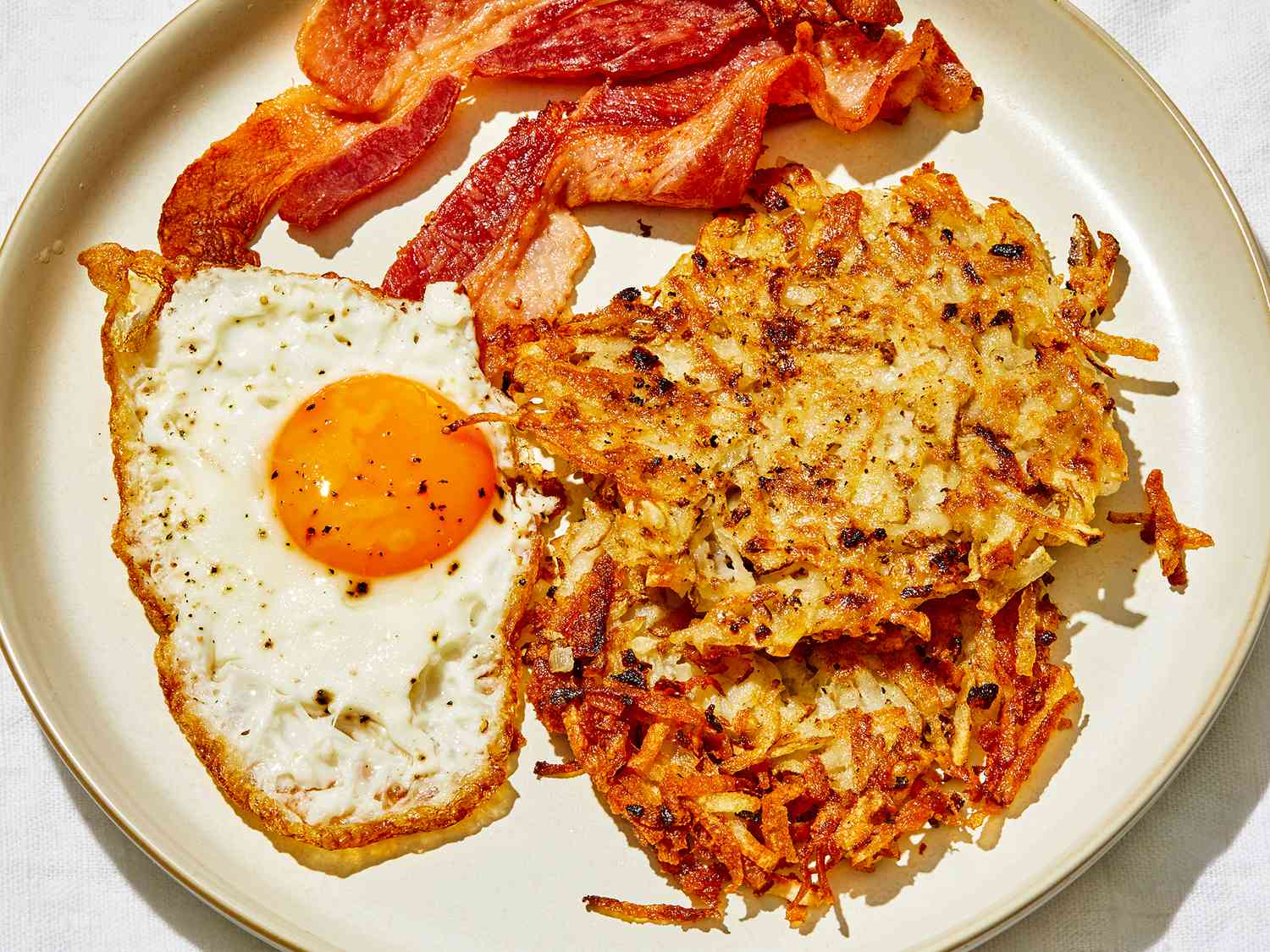
The secret to the viral crispy hash brown challenge is moisture management. Starchy russet potatoes are the foundation, but squeezing out every drop of water is the real work. When you par-cook the shreds, you gelatinize the surface starch, which locks in that golden crunch while keeping the inside tender.
Ingredients
Grab these basics from your pantry for a diner-style result:
- 2 large russet potatoes
- 1 large egg
- 3 tbsp all-purpose flour
- 1 tsp salt
- ½ tsp black pepper
- ½ tsp garlic powder
- 2 tbsp neutral oil (vegetable or canola)
- 1 tbsp butter
Instructions
Troubleshooting common issues
If your hash browns are soggy, you likely skipped the squeeze step. Russets contain a lot of water, and that moisture turns to steam in the pan, preventing browning. If they stick to the pan, ensure the skillet is properly heated before adding the oil, and resist the urge to move them while they sear. For extra flavor, add diced onions or shredded cheddar during the last minute of cooking.
Keep the texture right
The difference between a soggy breakfast side and the viral crispy hash brown challenge lies in moisture management. Russet potatoes are the standard choice because their high starch content creates a crust, but that same starch holds water. If you skip the drying step, you are essentially steaming your potatoes in a skillet rather than frying them.
Start by shredding your potatoes and immediately submerging them in cold water. This step washes away excess surface starch that can cause clumping. After rinsing, drain the water and squeeze the shreds in a clean kitchen towel or cheesecloth. You need to remove as much liquid as possible; if the towel feels heavy, squeeze again. Dry shreds hit the hot oil and sizzle instantly, creating that essential crunch.
Once dry, season your potatoes generously. Salt draws out more moisture over time, so add it just before they hit the pan. Use a neutral oil with a high smoke point, like canola or vegetable oil, and ensure your pan is hot before adding the potatoes. Press the shreds down firmly to create an even layer. Let them cook undisturbed for five to seven minutes until the bottom is deep golden brown. Flipping too early will break the crust and release steam, ruining the texture.
Swaps that still work
Start with measured ingredients and pay attention to the texture cue in the method. Most recipe problems come from changing thickness, moisture, or heat without adjusting the timing.
Serve and store it
Let the hash browns rest for five minutes after cooking. This pause allows the internal steam to escape and the crust to set, preventing the edges from turning soggy when you cut into them. Serve them immediately while the potatoes are still hot and the exterior shatters at the touch.
For make-ahead meals, store leftover hash browns in an airtight container in the refrigerator for up to three days. Avoid stacking them in a deep pile, which traps moisture and softens the crispy edges. Instead, lay them flat on a plate or use parchment paper between layers to maintain texture.
Reheating is where most people lose the crunch. Do not use the microwave, as it steams the potatoes from the inside out. Instead, toast them in a hot skillet with a teaspoon of oil, or bake them on a wire rack at 400°F (200°C) for 10–15 minutes. The oven method is best for reviving large batches, while the skillet works well for individual portions.
To jazz up your serving, sprinkle with fresh herbs like chives or parsley right before eating. A dollop of sour cream, salsa, or a fried egg adds richness that complements the salty, crispy potato. These additions should be added at the last moment to keep the hash browns dry and crisp.
Hash brown recipe: what to check next
What is the secret to making good hash browns?
The secret is simple: dry them. Russet potatoes hold a lot of water, and steam prevents browning. After shredding, rinse the starch, then squeeze the shreds in a clean kitchen towel until they are bone dry. A little cornstarch helps, but moisture control is the real driver of crispiness.
Why do restaurant hash browns taste so good?
Restaurants prioritize moisture management and fat. Chefs often par-cook or dehydrate potatoes before serving to ensure consistent texture. At home, you can replicate this by using enough oil to fry rather than sauté, ensuring every shred gets a golden crust.
Should you boil potatoes before hash browns?
It depends on the style. For shredded crispy hash browns, skip boiling. Raw shreds provide the structure needed for a crunchy exterior. Boiling is better for diced home fries or breakfast patties where a tender, fluffy interior is the goal.
How to jazz up hash browns?
Add aromatics while they cook. Stir in finely chopped onions, garlic, or bell peppers during the last two minutes. Season generously with salt, pepper, and paprika. For a richer flavor, finish with a sprinkle of cheddar cheese or a dollop of sour cream.
No comments yet. Be the first to share your thoughts!