
Make the recipe
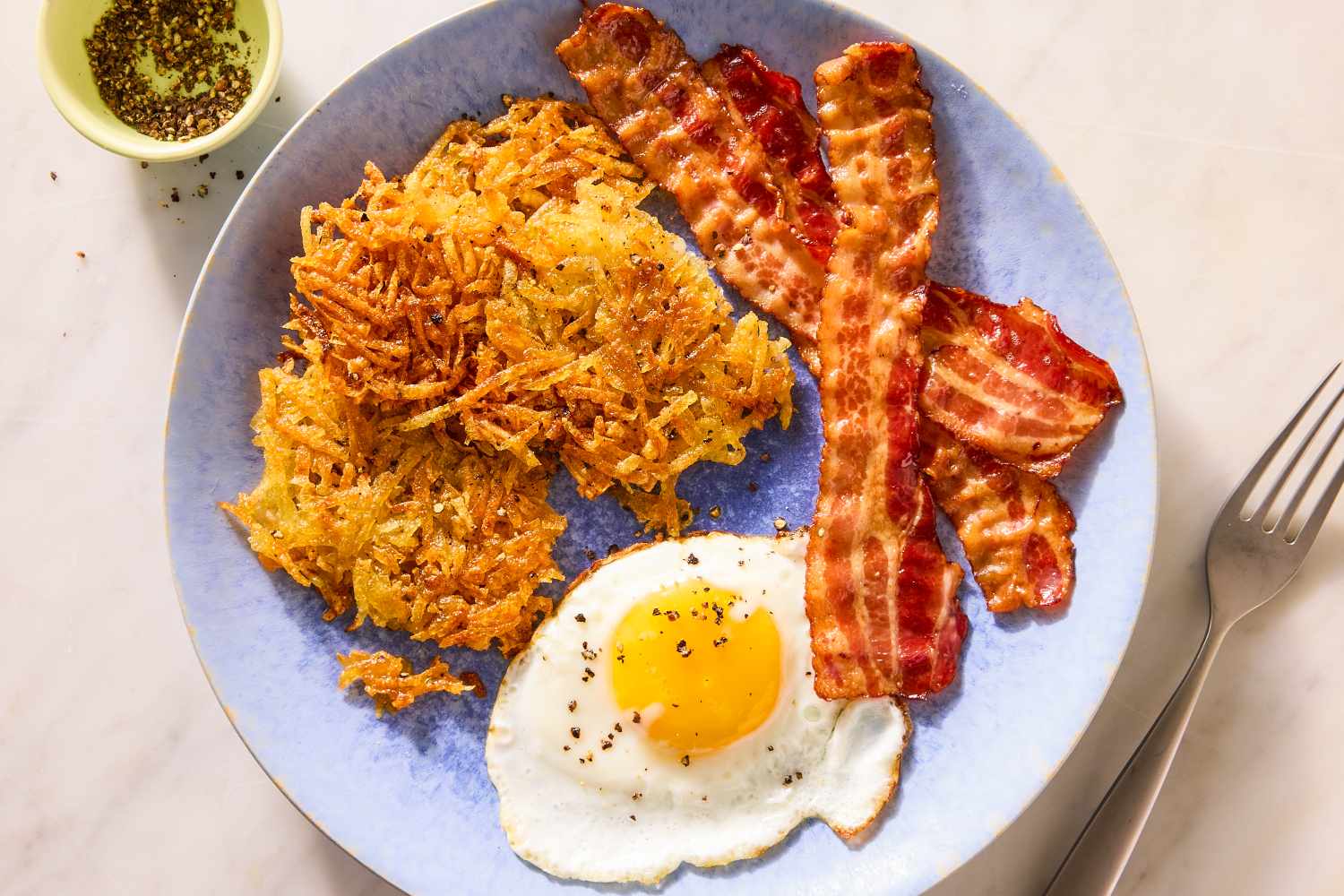
The difference between a soggy breakfast mess and a golden, crunchy skillet comes down to moisture control and patience. Russet potatoes are the standard for a reason: their high starch content creates a crust that holds up to heat without turning gummy. The process is straightforward, but skipping the squeeze step will steam the potatoes instead of frying them.
The following recipe includes a small amount of cornstarch, a technique popularized by viral social media trends and professional chefs alike. This dry ingredient absorbs surface moisture and promotes rapid browning. Use a potato shredder for consistent strands, and keep the heat steady to avoid burning the outside before the inside is cooked through.
While the hash browns cook, resist the urge to move them. The Maillard reaction requires sustained heat to create those signature dark, crunchy edges. If you stir too early, you break the crust and release steam, which makes the potatoes soft. Let them sit until they naturally pull away from the sides of the skillet, indicating a proper seal has formed.
Keep the texture right
Use this section to make the The Viral Crispy Hash Brown Challenge decision easier to compare in real life, not just on paper. Start with the reader's actual constraint, then separate must-have requirements from details that are merely nice to have. A practical choice should survive normal use, maintenance, timing, and budget. If a recommendation only works in an ideal situation, call that out plainly and give the reader a fallback path.
-
Verify the basicsConfirm the core specs, condition, and fit before comparing extras.
-
Price the downsideLook for the repair, maintenance, or replacement cost that would change the decision.
-
Compare alternativesCheck at least two comparable options before treating one listing as the benchmark.
Swaps that still work
You don't need a specific brand of ingredients to get that diner-style crunch. The goal is managing moisture and fat. If you're out of the usual staples, these substitutions hold up in a hot skillet without turning your hash browns mushy or bland.
Potatoes: Russets are the gold standard because their high starch and low moisture content fry up crisp. If you swap in sweet potatoes, they contain more water and sugar. Slice them thinner than usual and press them dry with a towel to avoid steaming in the pan.
Fat: Vegetable or canola oil is neutral and reliable. Bacon grease is the flavor upgrade. If you use butter, clarify it first or mix it with oil. Butter burns at lower temperatures, which can leave your potatoes undercooked before they brown.
Coatings: A light dusting of cornstarch helps draw out surface moisture. If you only have rice flour, it works just as well. Avoid all-purpose flour; it tends to clump and create a gummy layer instead of a crisp shell.
Serve and store it
The best way to enjoy these crispy hash browns is straight from the skillet while the edges are still shatteringly crisp. Plate them immediately so they don't steam in a pile, which turns the bottom layer soggy. They pair perfectly with eggs, bacon, or a dollop of sour cream and chives.
If you need to make ahead, cooked hash browns keep well in the refrigerator for up to three days. Store them in an airtight container with parchment paper between layers to prevent sticking. For best results, reheat them in a hot skillet with a little oil rather than the microwave, which can make them rubbery. This restores the texture closer to fresh.
To serve a crowd, keep the finished hash browns warm in a 200°F oven on a wire rack. This allows air to circulate underneath, preserving the crispness while you finish cooking the rest of the breakfast. Avoid stacking them in a closed container, as trapped moisture will soften the crust.
Crispy Hash Brown FAQs
What is the secret to crispy hash browns?
The single most important factor is moisture removal. Russet potatoes contain high water content, which steams the shreds instead of frying them. After shredding, squeeze the potatoes tightly in a clean kitchen towel or cheesecloth until no more liquid comes out. Adding a small amount of cornstarch (about one tablespoon per pound) helps draw out remaining moisture and creates a delicate, crunchy crust.
How to make crispy hash browns like a restaurant?
Restaurants use high heat and generous fat. Use a heavy skillet, preferably cast iron, and preheat it over medium-high heat before adding oil or bacon grease. Do not overcrowd the pan; cook in batches if necessary. Once the shredded potatoes hit the pan, press them flat and leave them undisturbed for 4-5 minutes to allow a deep golden crust to form before flipping.
Why won't my hash browns crisp up?
If your hash browns are soggy, you likely skipped the drying step or used the wrong potato. Waxy potatoes hold too much water and lack the starch needed for crispiness. Additionally, moving the hash browns too frequently prevents the Maillard reaction from occurring. Let the potatoes cook undisturbed to ensure even browning and a firm texture.
How to make frozen hash browns actually crispy?
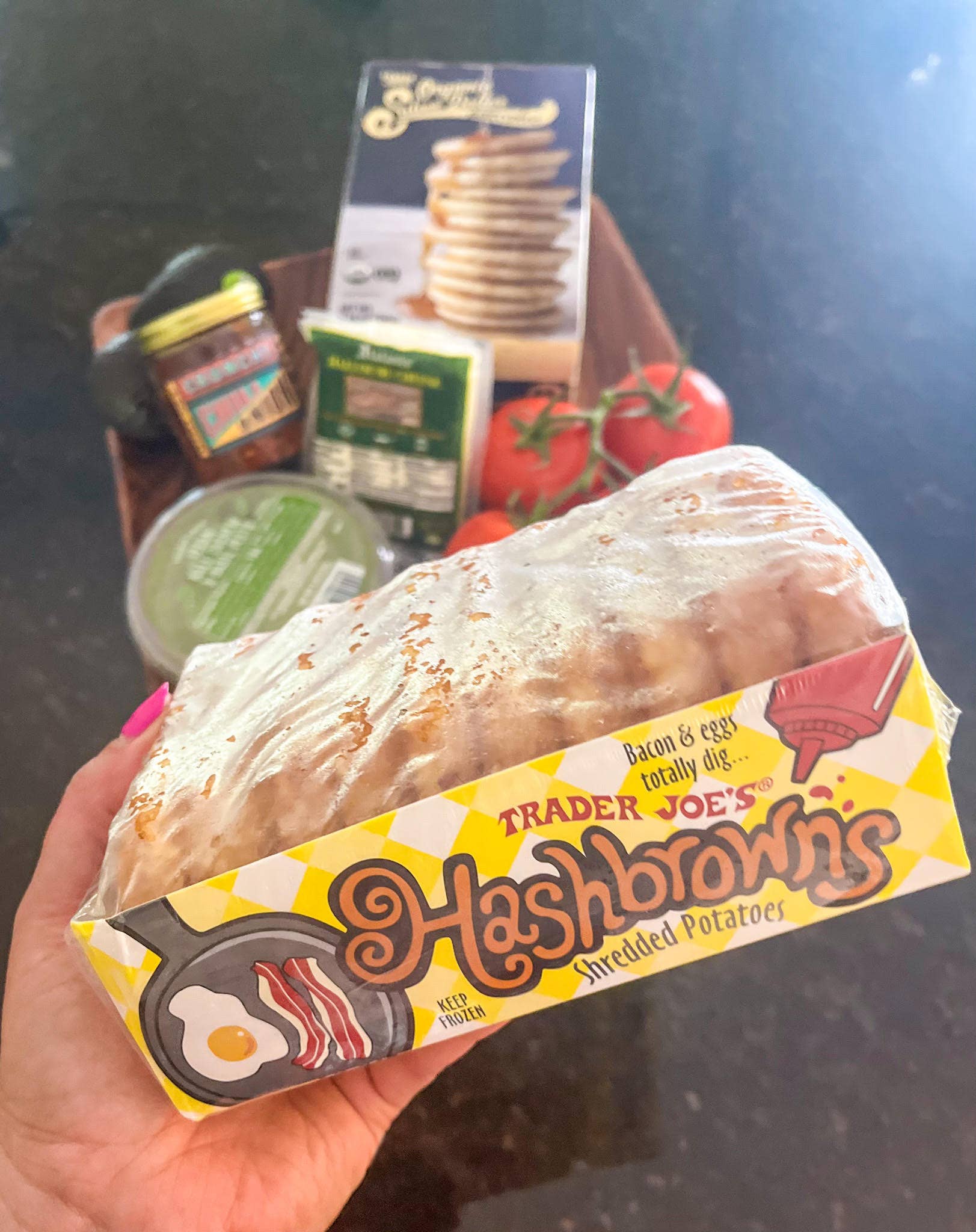
Frozen hash browns are often pre-cooked and steamed in their packaging, making them prone to sogginess. To fix this, thaw them completely and pat them dry with paper towels. Spread them on a wire rack in the oven at 400°F (200°C) for 15 minutes before frying, or add them directly to a hot, oiled skillet without covering the pan. Avoid microwaving, which adds excess steam.
No comments yet. Be the first to share your thoughts!