
Get crispy hash browns right
Before you shred a single potato, ensure your tools and heat source are ready. The difference between soggy breakfast potatoes and diner-style crunch comes down to moisture control and heat management.
Choose the right potato
Russet potatoes are the standard for a reason. Their high starch and low moisture content allows them to crisp up better than waxy varieties like red or Yukon gold potatoes. Russets break down slightly during cooking, creating those desirable golden crusts. If you must use a different variety, expect a softer texture and adjust your cooking time accordingly.
Prepare your tools
You will need a potato shredder, a large bowl, and a clean kitchen towel or cheesecloth. Have your skillet heating on the stove before you start grating. You will also need a high-smoke-point oil. Vegetable, canola, or clarified butter work well. Bacon grease adds flavor but has a lower smoke point, so monitor the heat closely.
Remove the moisture
This is the most critical step. Wet potatoes equal steamed potatoes. After shredding, place the potatoes in the towel and wring them out over the sink. Squeeze hard. You want to remove as much liquid as possible. The drier the shreds, the crispier they will become when they hit the hot oil.
Test your heat
Add oil to your skillet and let it heat until it shimmers. Drop a few shreds in. If they sizzle immediately and turn golden within 60 seconds, your pan is ready. If they smoke, it is too hot. If they sit quietly, it is too cold. Adjust the burner and wait ten seconds before proceeding.
Work through the steps
The viral TikTok method for crispy hash browns relies on one non-negotiable rule: remove moisture. Russet potatoes are the standard choice because their high starch content creates a crunchy exterior when fried. If you skip drying the shreds, your hash browns will steam instead of crisp.
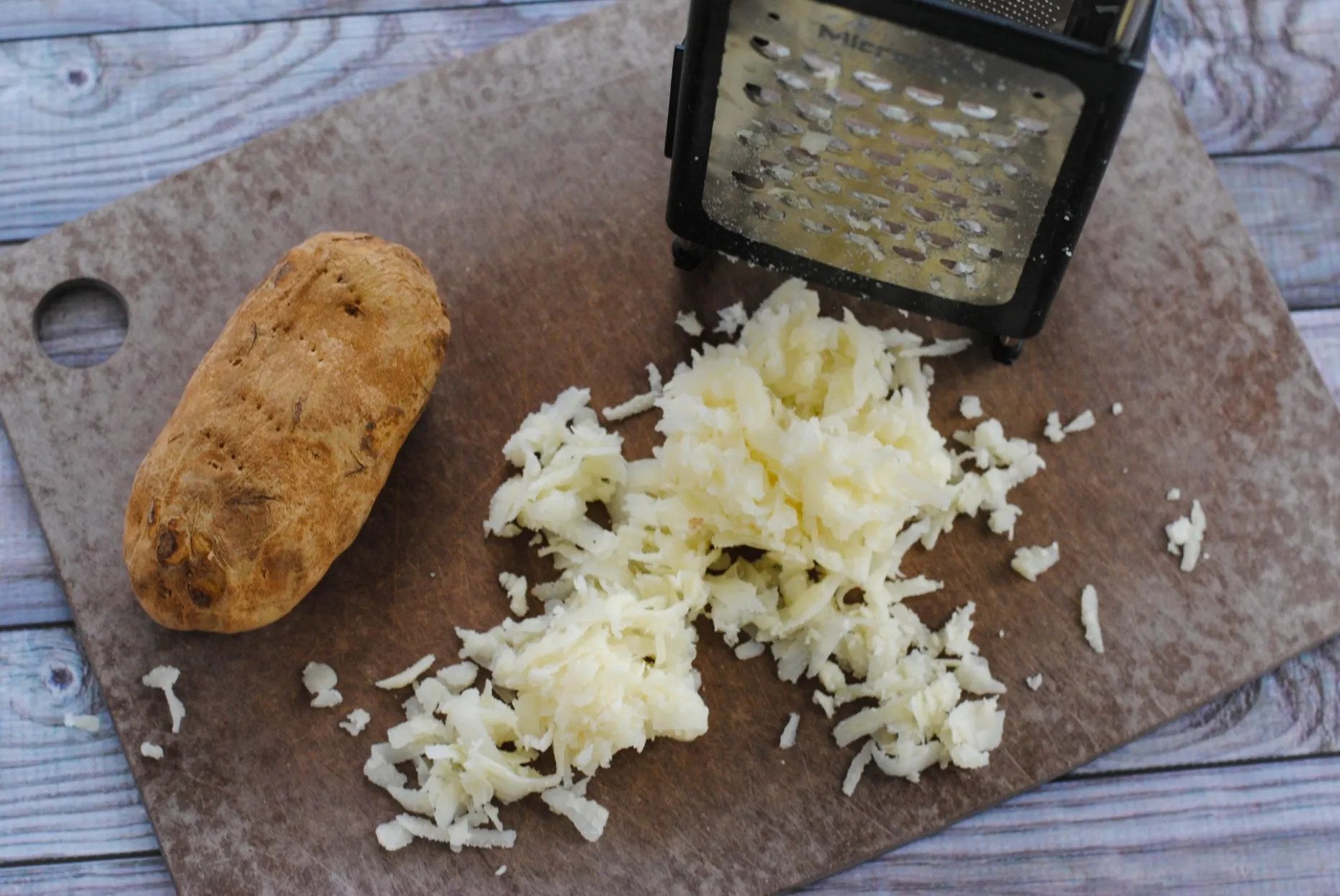
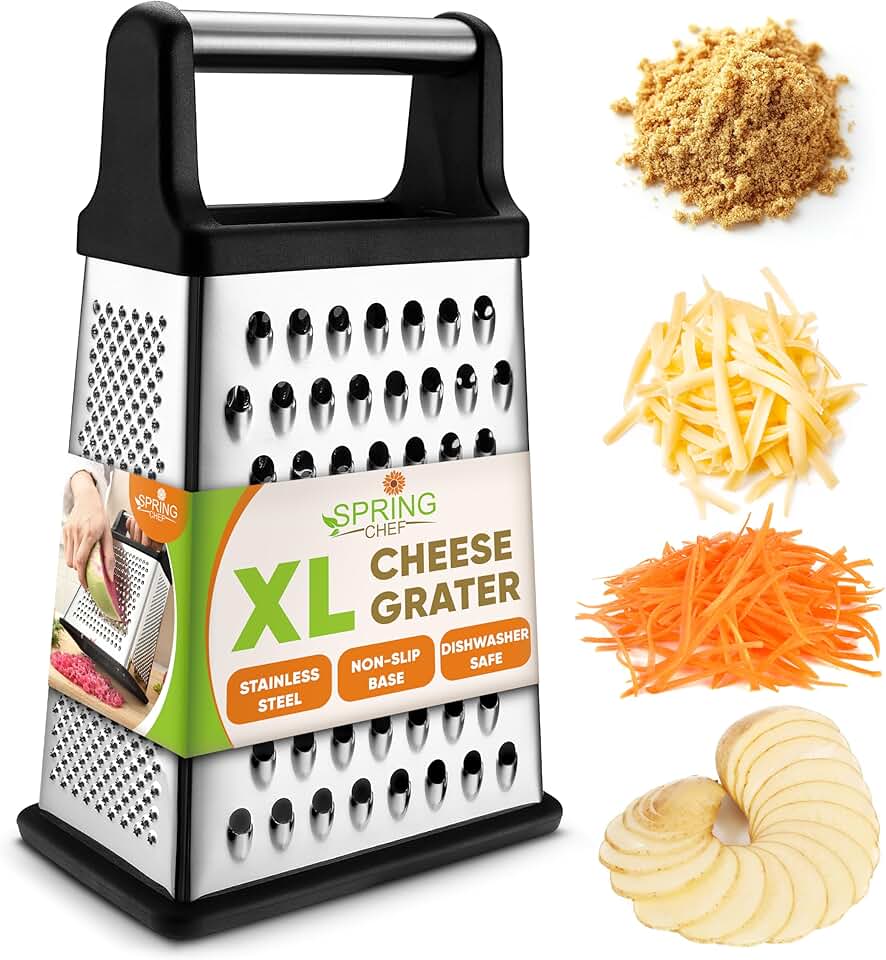
Use a box grater or food processor to shred peeled russet potatoes. Immediately submerge the shreds in a bowl of cold water. This washes away excess surface starch that can cause clumping and soggy spots. Let them sit for five minutes.
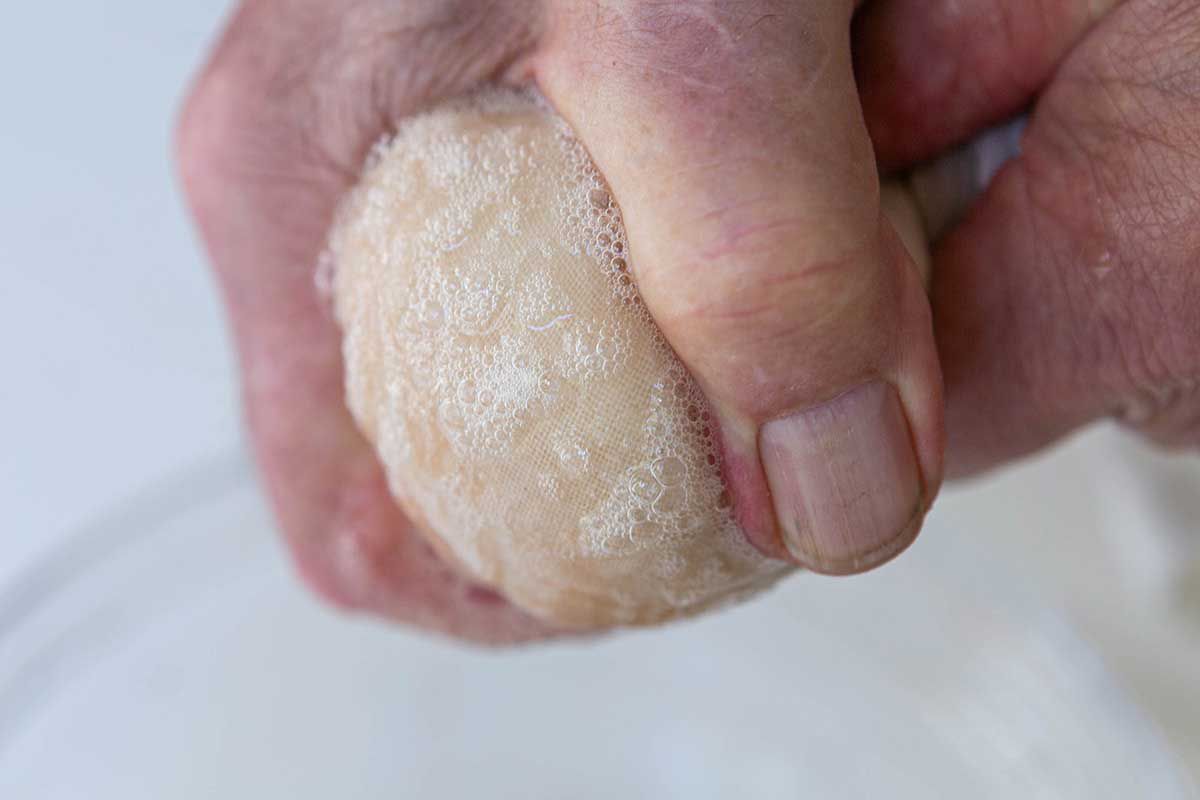
Drain the water and transfer the potatoes to a clean kitchen towel. Wrap the towel around the shreds and twist tightly over the sink. Squeeze with force until no more liquid escapes. This step is critical; any remaining water will turn your hash browns mushy.
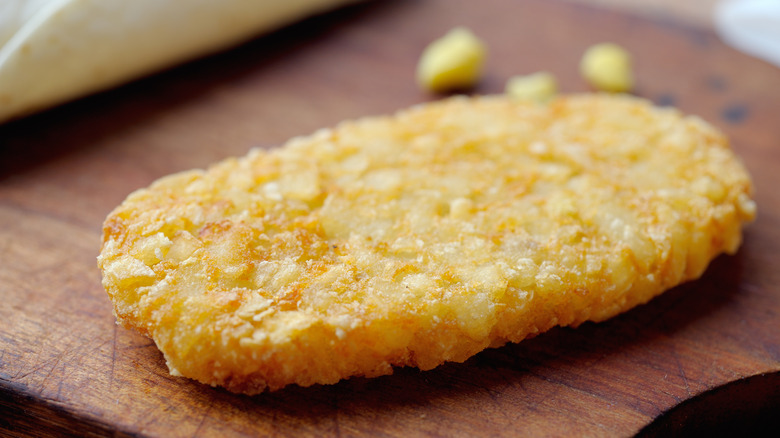
Toss the dried shreds with salt, pepper, and a tablespoon of all-purpose flour. The flour acts as a binder, helping the shreds stick together without making the texture heavy. Mix gently to coat every strand evenly.
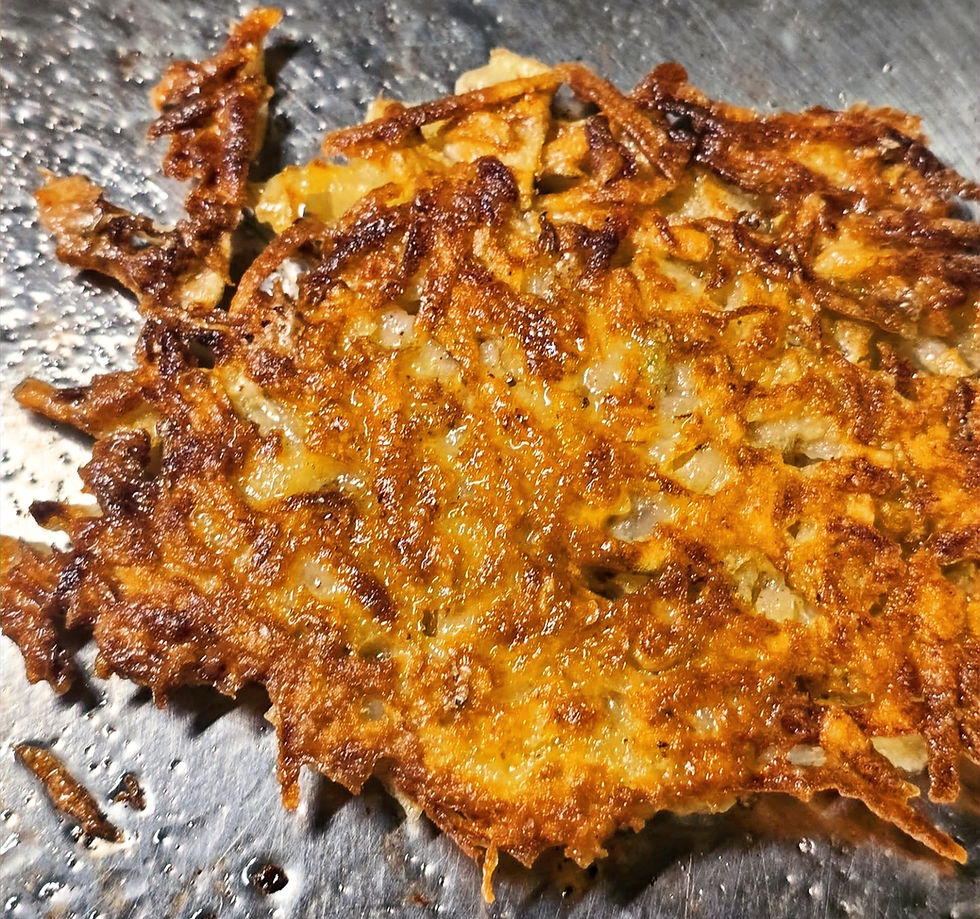
Heat two tablespoons of oil or bacon grease in a cast-iron skillet over medium-high heat. Spread the potatoes into an even layer. Do not touch them for four minutes. Let the bottom develop a deep golden crust before flipping.
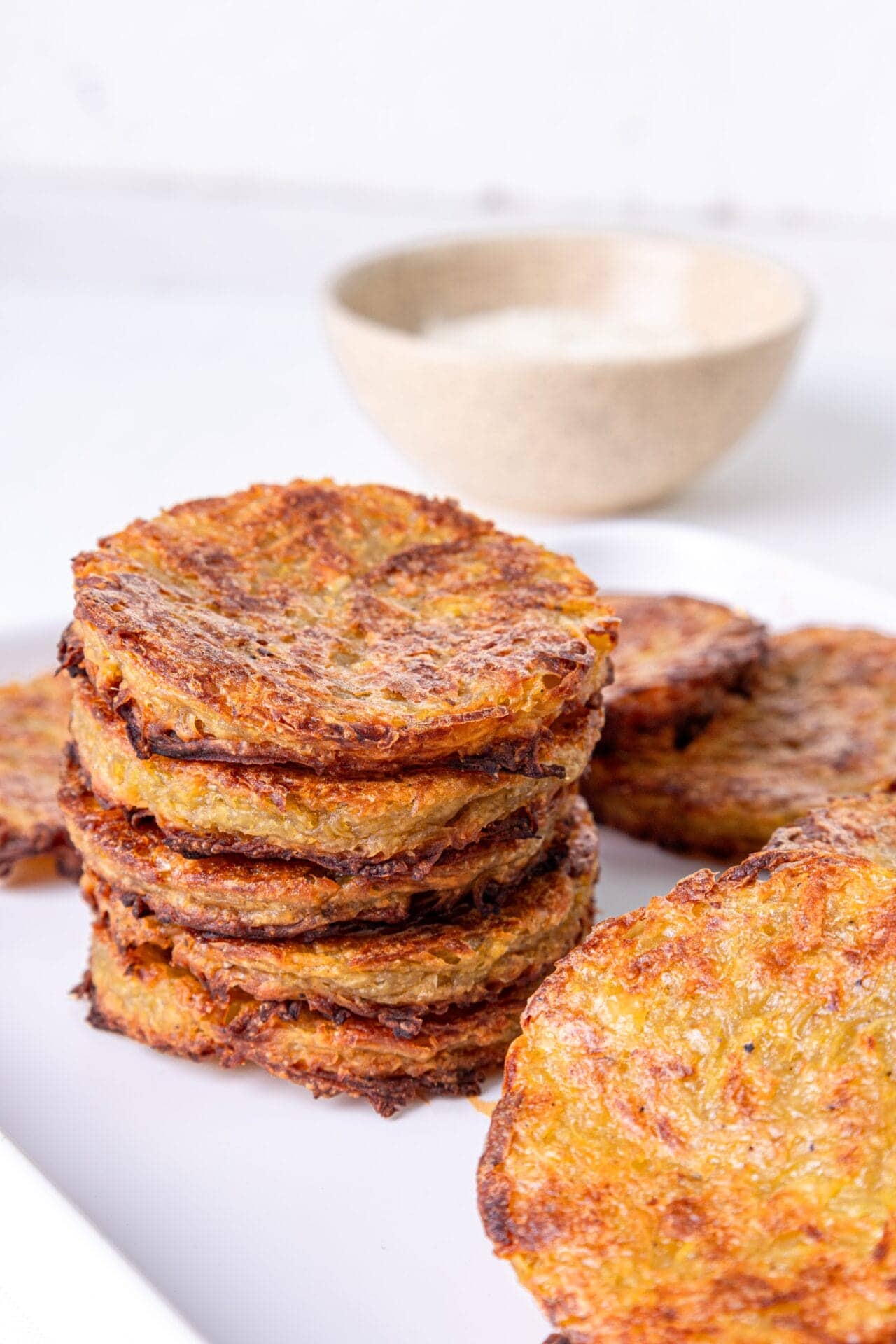
Flip the hash browns in sections or use a plate to turn the whole patty. Fry the second side for another three to four minutes until equally crispy. Transfer to a wire rack to drain excess oil and serve immediately while hot.


As an Amazon Associate, we may earn from qualifying purchases.
Common mistakes that ruin crispy hash browns
Even with the right potato shredder, small errors in prep can turn a crispy breakfast into a soggy mess. The difference between diner-style hash browns and a limp pancake usually comes down to moisture control and heat management.
Skipping the moisture squeeze
Water is the enemy of crispness. When shredded potatoes retain their internal water, they steam instead of fry. This is the single most common reason home cooks fail to get that golden crust. Russet potatoes hold more water than waxy varieties, so they require more aggressive squeezing. Use a clean kitchen towel or cheesecloth to wring out every drop of liquid. If the shredded potatoes look wet or pool water in the bowl, they aren't dry enough.
Using the wrong heat level
Crowding the pan lowers the oil temperature instantly, preventing the Maillard reaction that creates crunch. If you try to cook too many hash browns at once, the potatoes stew in their own released moisture. Cook in small batches, giving each patty enough room to breathe. The oil should shimmer and sizzle immediately upon contact. If it hisses loudly and then goes quiet, the pan is too cold or overcrowded.
Flipping too early or too often
Patience is required for a solid crust. If you try to flip the hash browns before the bottom layer has fully set, they will break apart and lose their structure. Wait until the edges turn a deep golden brown and the bottom feels firm to the touch. Flip only once. Repeated flipping disrupts the crust formation and leads to uneven cooking. Let the heat do the work without constant interference.
Crispy hash browns: what to check next
Stuck with soggy potatoes or wondering why your batch doesn't match the diner standard? Here are the practical answers to the most common hurdles.
No comments yet. Be the first to share your thoughts!