
Why russets make the best hash browns
The difference between a soggy breakfast side and a diner-quality golden crust starts with the potato. Russets are the undisputed champions for crispy hash browns because of their high starch content and low moisture. When you grate a russet, the starch granules are exposed and ready to gelatinize, creating that distinct, shatteringly crisp exterior. Waxy varieties like red or Yukon Gold potatoes hold too much water and lack the structural starch needed to form a solid crust, often resulting in a soft, steamed texture instead of a fried one.
To maximize crispiness, you must remove the excess moisture and free starch before cooking. Grate the potatoes, then squeeze them in a clean kitchen towel or cheesecloth until no more liquid drips out. This step is non-negotiable; water is the enemy of the Maillard reaction, the chemical process that gives hash browns their golden-brown color and savory flavor. By drying the potatoes thoroughly, you ensure they fry rather than steam in the skillet, allowing the exterior to turn into a lace-like network of crispy strands.
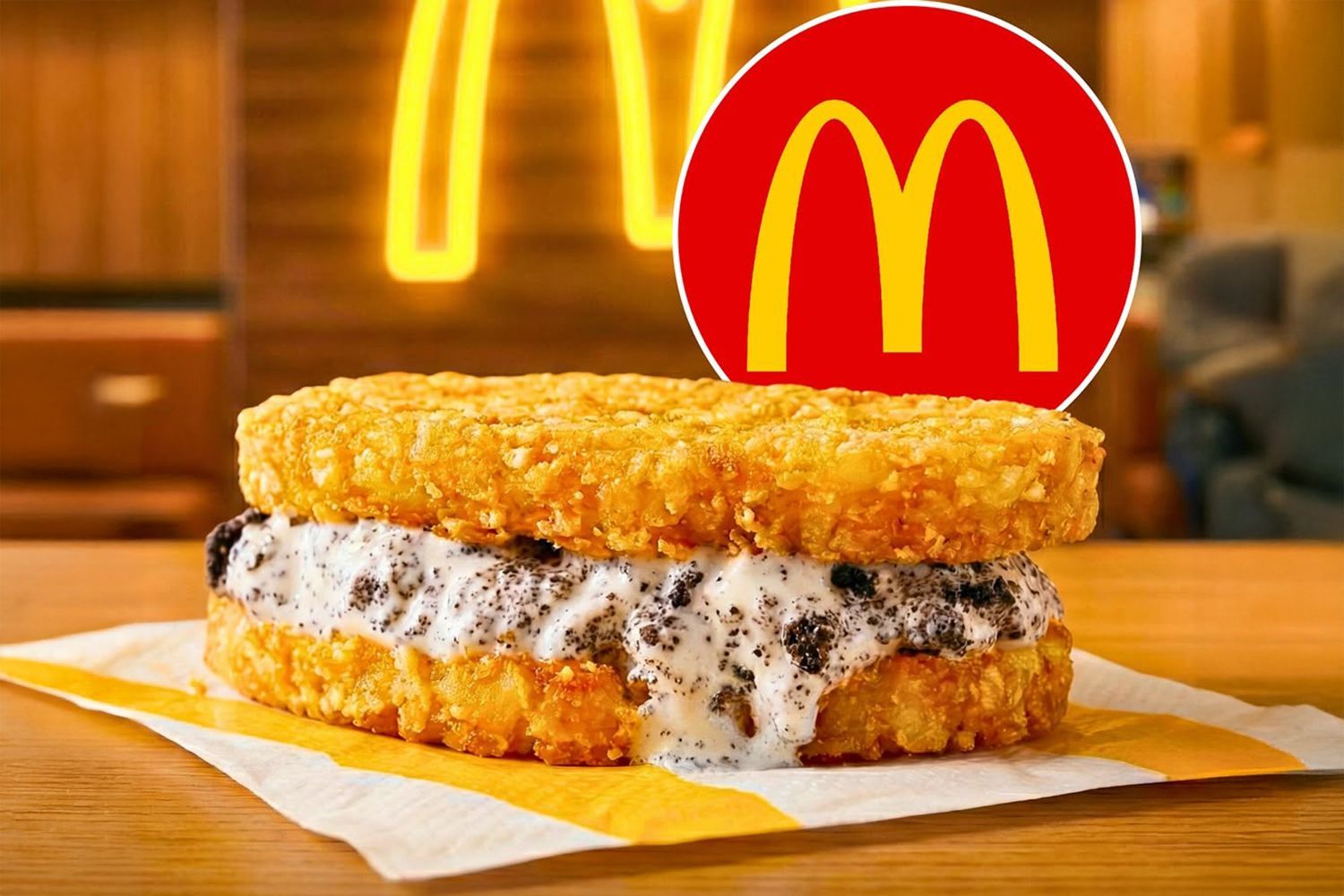
Shred and squeeze for maximum crisp
The difference between a soggy breakfast potato and a golden, restaurant-quality hash brown comes down to physics. You are fighting moisture. Potatoes are roughly 80% water, and if you leave that liquid in the mix, it turns to steam the moment it hits the hot pan. Steam is the enemy of crispness; it softens the potato surface before it has a chance to brown. To get those wispy, crunchy edges, you must aggressively remove as much water as possible before the skillet ever touches the stove.
Step 1: Grate the potatoes
Use the large holes of a box grater or a food processor fitted with a shredding disk. Russet potatoes are the best choice here because their high starch content helps the shreds bind together while still crisping up. Grate the potatoes directly into a large bowl. If you are using a food processor, pulse in short bursts to avoid turning your potatoes into a wet paste. You want distinct shreds, not a mash.
Step 2: Rinse the starch
This step is optional but recommended for extra crunch. Fill your bowl of grated potatoes with cold water and swish them around with your hands. You will see the water turn cloudy white—that is excess surface starch. Starch holds onto water and can make the hash browns gummy rather than crisp. Drain the cloudy water and repeat with fresh cold water until the water runs mostly clear. This rinse also helps prevent the potatoes from turning gray while you preheat the pan.
Step 3: Squeeze dry
This is the most critical part of the process. Lay out a clean, lint-free kitchen towel or a few layers of cheesecloth on a counter. Pile your rinsed potatoes into the center. Gather the corners of the towel and twist it into a tight bundle over the sink. Squeeze with all your strength. You should be able to wring out a significant amount of liquid—sometimes half a cup or more from just one potato. Keep squeezing until your hands are dry and the potato shreds feel cool and separate, not wet and clumped. If you have a heavy-duty salad spinner, you can spin the potatoes in batches, but the towel method gives you the most control.
Step 4: Season and rest
Once the potatoes are bone dry, transfer them to a mixing bowl. Add your salt, pepper, onion powder, and any other seasonings now. Toss them gently to distribute the spices evenly. Let the seasoned potatoes sit for five minutes. This allows the salt to draw out any remaining internal moisture, which you can then pat away with a paper towel if necessary. Dry potatoes hit the pan ready to fry, not steam.
Seasoning and fat choices
The foundation of the best hash brown recipe lies in restraint. While it’s tempting to load up on spices, the goal is to highlight the potato’s natural starch and create a uniform crust. Stick to a simple trio: fine sea salt, freshly cracked black pepper, and onion powder. These three ingredients work together without masking the flavor of the cooked potato.
Salt draws out moisture, which is essential for achieving that crispy, golden exterior. Add it generously after the potatoes have drained but before they hit the pan. Pepper and onion powder should be mixed in gently to ensure every shred is coated evenly. This simple seasoning profile ensures that every bite tastes like toasted potato, not just spice.
The fat you choose directly impacts the final texture and aroma. Butter provides a rich, nutty flavor that pairs perfectly with the savory potatoes, but it burns easily at high heat. For the best results, use a combination of butter and a high-smoke-point oil, such as avocado or canola oil. The oil prevents the butter from scorching, allowing you to maintain the high heat needed for a crisp crust.
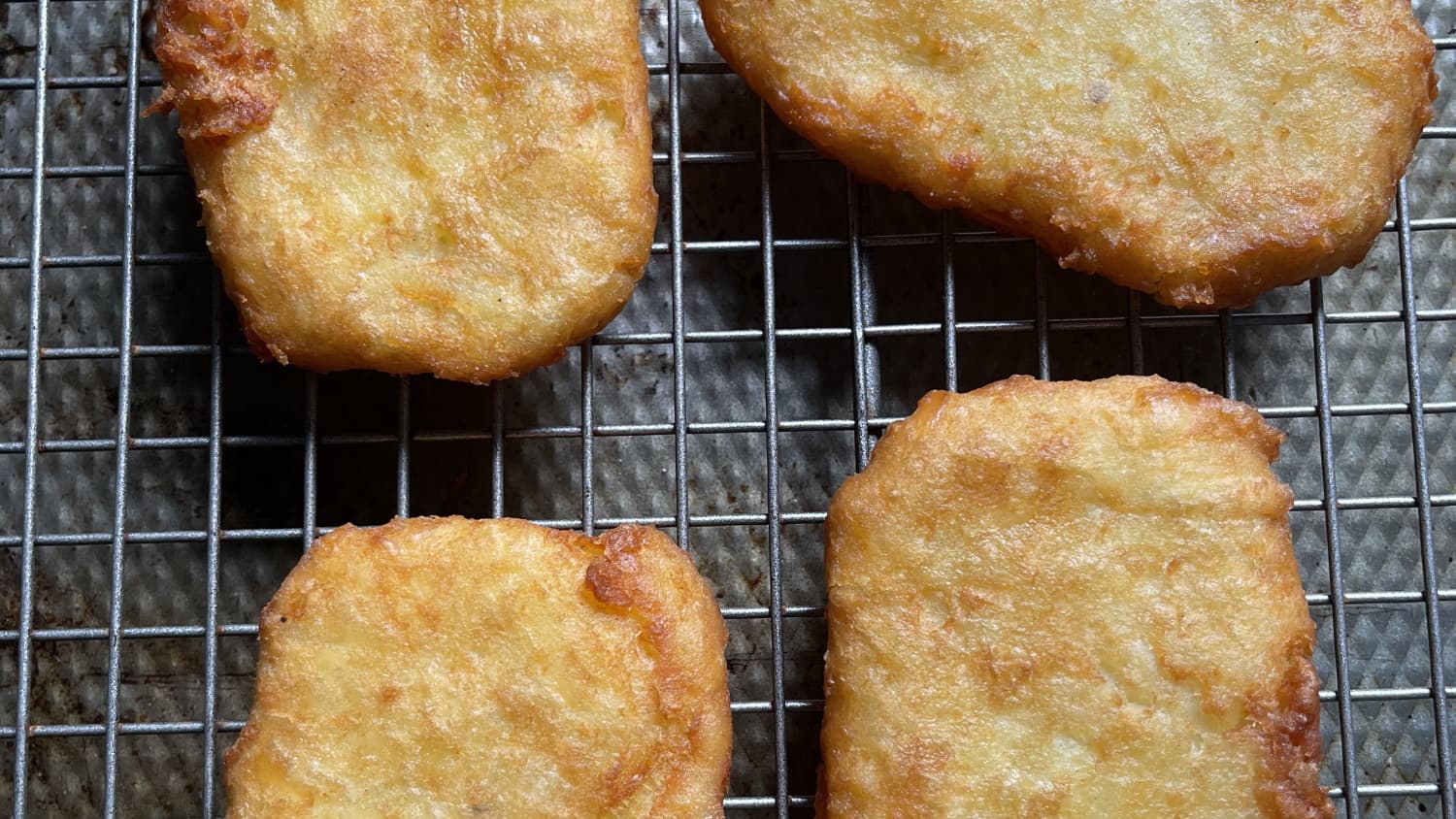
This hybrid approach gives you the best of both worlds: the deep, savory notes of browned butter and the stable, even cooking of neutral oil. The result is a hash brown that is golden brown, crisp on the outside, and tender on the inside, just like the ones you might find at a diner.
The skillet technique for golden crust
Building a deep golden crust on hash browns is less about cooking and more about moisture control. The goal is to drive off water so the potato starch can fry in its own fat, creating that signature shatteringly crisp exterior. This process requires patience and a steady hand, but the result is worth the wait.
Start by heating your skillet over medium heat. You want the oil to shimmer but not smoke. A good rule of thumb is to wait until a single potato shred sizzles immediately upon contact. If it steams or splatters violently, the pan is either too cold or too hot, respectively. Once the pan is ready, add your shredded potatoes in an even layer. Do not crowd the pan; work in batches if necessary to maintain consistent heat.
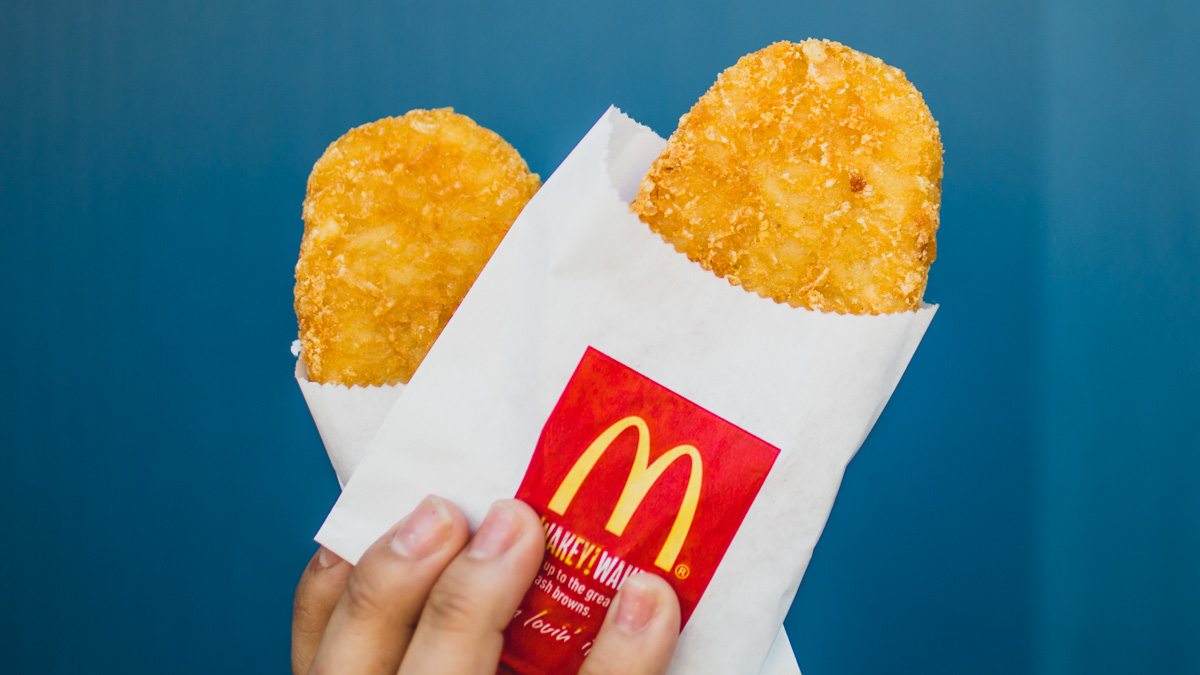
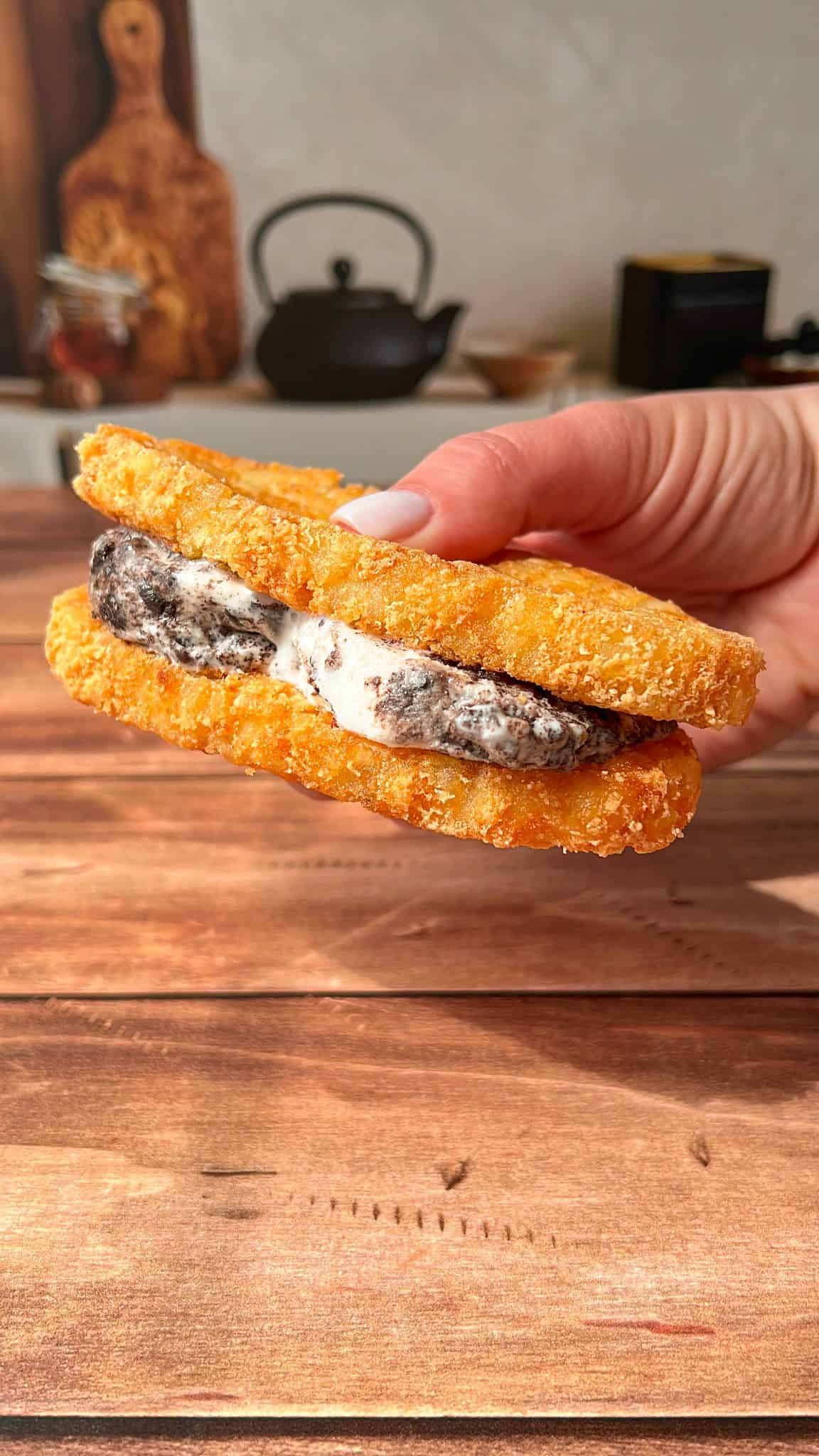
The hardest part of this recipe is the waiting. Every time you peek or move the patty, you release steam and disrupt the browning process. Trust the visual cues: golden edges, a firm base, and a slight lift from the pan. Once flipped, the second side cooks faster because the interior is already hot. Serve immediately while the crust is still crisp, as the steam from the hot potatoes will soften the exterior if left to sit.
Skillet Hash Brown Recipe
The secret to restaurant-quality hash browns at home is simple: remove the moisture. Wet potatoes steam instead of fry, leading to soggy results. By squeezing your shredded potatoes dry and cooking them in a mix of butter and oil, you create those wispy, golden edges that hold up all day.
These skillet potatoes are best served hot and crispy, straight from the pan. Use russet potatoes for their high starch content, which helps them crisp up beautifully without falling apart.

Avoid These Common Hash Brown Mistakes
Even experienced cooks run into trouble with hash browns. The difference between a soggy mess and golden, crispy potatoes usually comes down to moisture control and pan temperature. Fix these three common pitfalls to get that wispy, restaurant-style texture every time.
Skipping the Squeeze
Water is the enemy of crispiness. Shredded potatoes hold a surprising amount of liquid, which turns to steam in the pan and steams the potatoes instead of frying them. After grating, place the shreds in a clean kitchen towel or cheesecloth and squeeze tightly over the sink. You should see a pool of cloudy water. If the potatoes still feel damp, squeeze again. Dry shreds hit the hot oil and sear immediately, creating that desirable crunch.
Crowding the Pan
It’s tempting to cook a large batch at once, but overcrowding lowers the pan temperature and traps steam. This results in pale, soft potatoes rather than deep golden ones. Cook in batches if necessary, leaving enough space between the shreds for heat to circulate. If you’re using a 10-inch skillet, stick to about 1 to 1.5 pounds of shredded potatoes per batch. This ensures each strand has direct contact with the hot surface.
Moving Them Too Soon
Patience is critical. Once the potatoes hit the pan, resist the urge to stir. Let them cook undisturbed for 4 to 5 minutes until the bottom forms a solid, crispy crust. You can test this by gently shaking the pan; if the hash browns slide freely, they are ready to flip. Stirring too early breaks the crust and releases starch, leading to a gummy texture.
No comments yet. Be the first to share your thoughts!